


Introduction to Fun and Easy Healthy Snacks
In the bustling world of childhood, where energy levels soar and curiosity knows no bounds, providing little ones with nourishing fuel is paramount. Yet, the journey to healthy eating for children can sometimes feel like an uphill battle, especially when faced with the allure of sugary treats and processed goods. The good news is that fostering healthy snacking habits doesn’t have to be a chore. It can be an adventure, a culinary exploration filled with vibrant colors, delightful textures, and surprisingly simple preparations. This guide is designed to transform your snack time from a potential negotiation into a joyful occasion, proving that healthy snacks can indeed be both fun and incredibly easy, earning the enthusiastic approval of even the most discerning young palates. We’ll delve into practical strategies, creative ideas, and the underlying benefits that make these efforts so worthwhile, ensuring your children not only eat well but genuinely enjoy it.
Nutritious and Delicious Snack Ideas for Kids
The foundation of any great kid-friendly snack lies in its nutritional content. We aim for snacks that provide sustained energy, essential vitamins and minerals, and healthy fats, all while tasting so good that the nutritional aspect becomes a delightful bonus rather than the sole focus. This means steering clear of empty calories and embracing ingredients that offer genuine goodness.
Fruit-Forward Delights
Fruits are nature’s candy, bursting with natural sweetness and a plethora of vitamins. They are incredibly versatile and can be presented in a multitude of appealing ways. Think beyond a simple apple slice.
Colorful Fruit Skewers
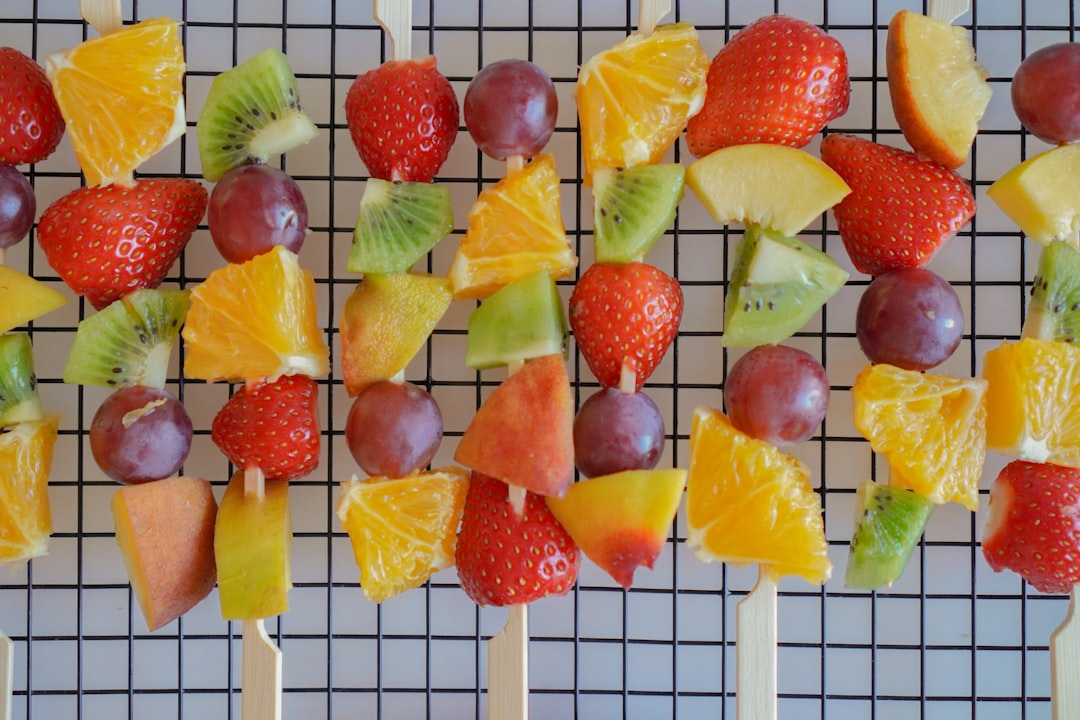
Threading colorful chunks of various fruits onto small skewers transforms them into visually engaging treats. A mix of strawberries, blueberries, melon cubes, grapes (halved for younger children), and kiwi creates a rainbow of goodness. The act of eating from a skewer is often more exciting for children.
Yogurt Parfaits with a Twist
Layering plain or Greek yogurt with fresh berries, a sprinkle of granola for crunch, and perhaps a drizzle of honey or maple syrup makes for a satisfying and customizable parfait. Children can even help assemble their own, choosing their favorite fruit combinations.
Frozen Fruit Pops
A healthier alternative to sugary popsicles, blended fruits like mango, banana, or berries can be poured into popsicle molds and frozen. These are particularly refreshing on warm days and offer a concentrated dose of fruit nutrients.
Veggie Victories
Introducing vegetables in a fun and accessible way is crucial. Often, it’s the presentation and pairing that make all the difference.
“Ants on a Log” Reinvented
The classic celery stick filled with peanut butter (or sunflower seed butter for allergies) and topped with raisins is a timeless favorite. For a twist, try cream cheese or hummus as the base and experiment with different toppings like shredded carrots or small pieces of bell pepper.
Hummus and Veggie Platters
A vibrant platter featuring colorful vegetable sticks like carrots, cucumbers, bell peppers, and cherry tomatoes, served with a side of hummus, can be surprisingly appealing. Encourage dipping, as it adds an interactive element. You can even shape the hummus using cookie cutters for added fun.
“Edible Art” with Vegetables
Cutting vegetables into fun shapes using cookie cutters can make them more enticing. Think stars from cucumber slices or circles from bell peppers. These can be arranged into playful pictures or patterns on a plate.
Wholesome Grain Goodies
Whole grains provide sustained energy and fiber, making them excellent choices for snacks.
Mini Whole Wheat Muffins
Baking small, whole wheat muffins packed with fruit like blueberries or mashed banana offers a portable and satisfying snack. Opt for recipes with minimal added sugar and consider incorporating whole grains like oats or spelt flour.
“Energy Bites” or “Bliss Balls”
These no-bake wonders typically involve dates, oats, seeds, and nut butters. They are naturally sweet, packed with fiber and healthy fats, and can be rolled into bite-sized portions. Cocoa powder or shredded coconut can add extra appeal.
Rice Cakes with Toppings
Whole grain rice cakes serve as a blank canvas for nutritious toppings. Spread with avocado for healthy fats, topped with sliced banana and a sprinkle of cinnamon, or adorned with cream cheese and thinly sliced cucumber, they offer endless possibilities.
Creative and Kid-Friendly Snack Recipes
Moving beyond basic ingredients, let’s explore some recipes that are designed to capture the imagination of children while remaining wholesome.
Savory Stars
Not all snacks need to be sweet. Savory options can be just as appealing and provide essential nutrients.
Mini Pizzas on Whole Wheat Tortillas
Spread a whole wheat tortilla with a thin layer of tomato sauce, sprinkle with low-fat cheese, and top with finely chopped vegetables like bell peppers, mushrooms, or spinach. Bake until the cheese is melted and bubbly. Children can help add their own toppings.
“Cheesy” Veggie Bites
Grate zucchini or carrots and mix them with a binder like whole wheat flour, egg, and a bit of cheese. Roll into small balls and bake until golden brown and slightly crispy. These are a fantastic way to sneak in extra vegetables.
Hard-Boiled Egg “Buddies”
Transform ordinary hard-boiled eggs into fun characters. Slice them in half, and use small pieces of bell pepper, cherry tomato, or even chives for eyes and mouth. This adds a playful touch to a protein-rich snack.
Sweet Sensations, Healthily Done
Even sweet treats can be crafted with health in mind.
“Nice” Cream (Banana Ice Cream)
Frozen banana chunks blended until smooth create a creamy, dairy-free “ice cream” that is naturally sweet. Add a splash of milk or yogurt for extra creaminess, or mix in berries for vibrant color and flavor.
Apple “Cookies”
Slice apples into rounds and spread with a thin layer of peanut butter or almond butter. Top with granola, chopped nuts, or dried fruit. These offer a delightful crunch and a balance of sweet and nutty flavors.
Oatmeal “Cookies” with a Healthier Sweetener
Many oatmeal cookie recipes can be adapted to use less sugar and more natural sweeteners like mashed banana, applesauce, or dates. Adding in ingredients like chia seeds or flaxseeds further boosts their nutritional value.
Interactive Snack Experiences
Engaging children in the preparation process can significantly increase their interest in the final product.
DIY Trail Mix Bar
Set up bowls of various healthy ingredients: whole grain cereals, dried fruit, nuts (if age-appropriate and no allergies), seeds, and a few dark chocolate chips. Let children create their own personalized trail mix.
“Sushi” Rolls with a Twist
Use whole wheat tortillas as the “seaweed.” Spread with cream cheese or hummus, then layer with thinly sliced cucumber, carrot sticks, or strips of cooked chicken. Roll tightly and slice into “sushi” pieces.
Fruit and Veggie “Face” Toast
Toast whole wheat bread and spread with a healthy base like cream cheese, avocado, or nut butter. Then, let children use fruit and vegetable pieces to create faces or designs on their toast.
Tips for Making Healthy Snacks Fun for Kids
The key to sustained healthy snacking lies in making it an enjoyable experience. This involves a multi-sensory approach that appeals to children’s natural sense of play and discovery.
Presentation is Paramount
Children eat with their eyes first. Simple changes in how food is presented can make a world of difference.
Colorful Creations
Utilize the natural colors of fruits and vegetables to create visually appealing snacks. A rainbow of fruits on a skewer or a medley of colorful vegetable sticks is inherently engaging. Think about contrasting colors and textures.
Fun Shapes and Sizes
Cookie cutters can transform ordinary cheese, fruit, or sandwiches into stars, hearts, or animal shapes. Cutting sandwiches into fun shapes, or using miniature versions of foods, can also be appealing. Small portions are often less intimidating for children.
Playful Names
Giving snacks fun and imaginative names can spark interest. “Superhero Strawberries,” “Dinosaur Broccoli Trees,” or “Rainbow Fruit Wands” can make healthy food sound exciting and adventurous.
Involve Them in the Process
When children have a hand in creating their snacks, they are more likely to be invested in eating them.
Kid-Chef Opportunities
Allow children to participate in age-appropriate tasks. This could include washing fruits, tearing lettuce, spreading dips, or helping to assemble skewers. Even young toddlers can help stir ingredients or place toppings.
“Build Your Own” Stations
Set up a “build your own” parfait, taco, or trail mix station. This empowers them to make choices and take ownership of their snack. Providing a variety of healthy options ensures they are still making nutritious selections.
Variety and Novelty
Repetition can lead to boredom. Offering a rotating selection of snacks keeps things fresh and exciting.
Themed Snack Days
Designate certain days for specific themes, like “Tropical Tuesday” with pineapple and mango, or “Veggie Adventure Thursday.” This adds an element of anticipation and playfulness to snack time.
Surprise Elements
Occasionally, introduce a new fruit, vegetable, or a slightly different preparation method. A little bit of delightful surprise can keep them engaged and open to trying new things.
Benefits of Offering Healthy Snacks to Kids
| Benefit | Description |
|---|---|
| Improved Health | Healthy snacks can contribute to better overall health and reduce the risk of obesity and related health issues. |
| Enhanced Concentration | Nutritious snacks can help children stay focused and alert, leading to improved academic performance. |
| Healthy Habits | Offering healthy snacks can help children develop lifelong habits of making nutritious food choices. |
| Increased Energy | Healthy snacks can provide sustained energy levels, helping children stay active and engaged throughout the day. |
The impact of healthy snacking extends far beyond immediate satisfaction. It plays a crucial role in a child’s overall well-being and development.
Sustained Energy for Learning and Play
Children have high metabolisms and require consistent energy throughout the day. Healthy snacks provide a steady release of glucose, preventing energy crashes and supporting sustained focus during schoolwork, playtime, and physical activities. This contrasts with sugary snacks that lead to rapid energy spikes followed by debilitating slumps.
Nutritional Support for Growth and Development
Snacks are an integral part of a child’s daily nutrient intake. They contribute essential vitamins, minerals, fiber, and healthy fats that are critical for physical growth, cognitive development, immune system function, and bone health. Without regular healthy snacks, children may miss out on vital nutrients that are difficult to compensate for at meal times alone.
Promoting Healthy Eating Habits for Life
Establishing positive snack associations early on helps lay the groundwork for long-term healthy eating patterns. When children learn to enjoy nutritious foods and associate them with positive experiences, they are more likely to continue these habits into adolescence and adulthood. This can significantly reduce the risk of chronic diseases later in life.
Improved Mood and Behavior
Blood sugar fluctuations, often caused by diets high in refined sugars, can lead to irritability, mood swings, and behavioral problems in children. Stable blood sugar levels, achieved through balanced snacks, contribute to a more even temperament, better concentration, and overall improved behavior.
Preventing Overeating at Meal Times
Offering well-timed, nutritious snacks can help manage hunger levels between meals. This prevents children from becoming overly hungry and subsequently overeating at mealtimes, which can lead to digestive discomfort and less mindful eating.
How to Encourage Picky Eaters to Enjoy Healthy Snacks

Dealing with picky eaters can be one of the most challenging aspects of healthy food promotion. However, with patience, consistency, and a bit of creativity, even the most hesitant youngsters can be wooed by nutritious options.
The Power of Consistent Exposure
Children often need to be exposed to a new food multiple times before they are willing to try it, let alone enjoy it. Don’t give up after the first rejection.
Repeated Introductions, No Pressure
Offer a suspected “disliked” food repeatedly in different forms and alongside familiar favorites. Avoid pressuring or forcing them; simply make it available. Sometimes, seeing it prepared in a new way or served alongside something they enjoy can pique their interest.
Small Steps and Gradual Integration
Start by introducing small portions of new healthy foods alongside their preferred snacks. For example, a single blueberry alongside a favorite cracker, or a tiny piece of cucumber with their cheese stick. Gradually increase the portion size as they become more accepting.
Make it a Family Affair
Children are observant and learn from their surroundings. If healthy eating is a family norm, they are more likely to follow suit.
Parents as Role Models
Children mimic the eating habits of their parents. Consistently choose healthy snacks for yourself and emphasize your enjoyment of them. Make it a visible and positive aspect of your family’s routine.
Shared Snack Experiences
Make snack time a family event. Sit down together, chat about your day, and enjoy your snacks. When children see their parents and siblings happily eating healthy options, it normalizes the behavior.
Fun and Playful Engagement
Turning snack time into a game or a creative activity can significantly reduce resistance.
Deconstructed Snacks
Instead of presenting a fully formed snack, offer the components separately and let your child assemble their own. For example, a “deconstructed” yogurt parfait with a bowl of yogurt, a bowl of berries, and a bowl of granola.
“Taste Test” Adventures
Organize informal “taste tests” where your child can try tiny samples of different healthy foods. You can even make it a blindfolded experience for added fun, focusing on texture and smell. Keep it lighthearted and avoid making it feel like a test they can fail.
Storytelling and Imagination
Weave stories around the healthy foods. For example, “These carrots are super-vision boosters that will help you spot treasure from afar,” or “These apple slices are magic wands that give you energy to play.”
Conclusion: Making Healthy Eating Fun for Kids
The journey to establishing healthy eating habits in children is ongoing, but it doesn’t have to be a daunting task. By embracing the principles of fun, creativity, and consistent positive reinforcement, you can transform snack time into an opportunity for nourishment, discovery, and enjoyment. The delicious and easy healthy snack ideas presented here are not just about providing sustenance; they are about building positive associations with wholesome foods, fostering a sense of autonomy in children, and empowering them to make smart choices that will benefit them throughout their lives. Remember, patience and a playful approach are your most valuable tools. When healthy eating is presented as an adventure rather than a requirement, children are far more likely to embrace it wholeheartedly, laying the foundation for a lifetime of well-being, one delightful and nutritious bite at a time.


