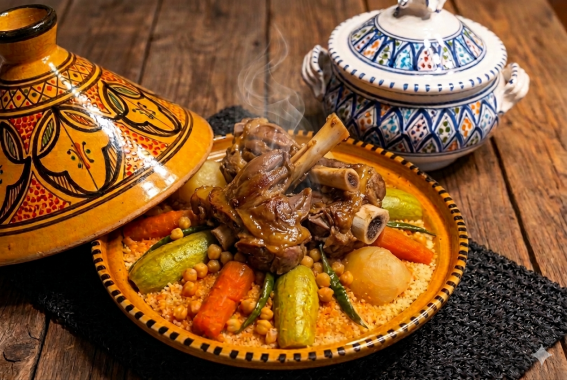
Algerian cuisine is a vibrant tapestry woven from a rich history and diverse influences, a culinary landscape that offers a profound journey for the senses. From the humble, yet exquisitely prepared couscous to the slow-cooked, aromatic tagines, each dish tells a story of migration, trade, and cultural exchange. This exploration delves into the heart of Algerian cooking, uncovering the traditions, ingredients, and celebrations that make this North African culinary heritage so captivating.
The Genesis of Algerian Flavors: A Historical Panorama
Algerian cooking is not a monolithic entity; rather, it is a delicious testament to centuries of interaction and adaptation. The foundations of its distinctive character were laid by the indigenous Berber populations, whose agricultural ingenuity and reliance on grains and vegetables formed the bedrock of many early dishes. Their deep understanding of the land and its bounty, particularly the durum wheat that would eventually become the cornerstone of couscous, shaped the early culinary landscape.
Ancient Roots and Early Influences
The arrival of various civilizations on Algerian shores introduced new ingredients, cooking techniques, and flavor profiles. The Phoenicians, who established trading posts along the coast, are believed to have brought new spices and the practice of preserving food. Later, the Roman presence left its mark through the introduction of olive oil production on a larger scale and the cultivation of new fruits and vegetables. The sheer abundance of produce, including figs, grapes, and pomegranates, began to feature prominently in the emerging cuisine, adding layers of sweetness and acidity.
The Arab Golden Age and its Culinary Legacy
The Arab conquests of the 7th century marked a pivotal moment in the evolution of Algerian cuisine. With the Arabs came a sophisticated culinary tradition, bringing with them new spices like saffron, cumin, and cinnamon, which profoundly transformed the existing flavor profiles. They also introduced refined cooking methods, including the braising techniques that would eventually lead to the iconic tagine. The infusion of sweet and savory elements, a hallmark of Arab cooking, became a defining characteristic of Algerian dishes. Dried fruits, nuts, and honey began to be incorporated into both savory and sweet preparations, creating a complex and nuanced taste.
Ottoman Encounters and Further Refinements
The Ottoman Empire’s centuries-long influence added another layer to Algeria’s culinary heritage. While the Ottomans didn’t drastically alter the fundamental ingredients, they contributed to a more refined presentation and introduced certain regional specialties. Dishes that became popular in the Ottoman Empire, like certain types of pastries and stews, found their way into the Algerian repertoire, further diversifying the existing culinary landscape. This period saw a further emphasis on elaborate preparations for special occasions, solidifying the role of food in social and cultural gatherings.
The Art of the Grain: Mastering the Majestic Couscous
Couscous, more than just a dish, is a cultural icon in Algeria, a symbol of hospitality and communal dining. Its preparation is an art form, passed down through generations, and the sheer dedication to perfecting its texture and flavor speaks volumes about its importance.
From Wheat to Wonderful: The Traditional Couscous Process
The journey of couscous begins with durum wheat, a hardy grain that thrives in Algeria’s climate. The wheat is traditionally semolina, which is then moistened and rolled by hand, or more communally, in a large earthenware pot called a “gerfa,” until fine granules are formed. This process, repeated and steamed multiple times, ensures that the couscous is light, fluffy, and never clumpy. The steaming process itself is crucial, allowing the tiny grains to cook evenly and absorb the rich flavors of the broth.
The Sacred Broth: The Soul of the Couscous
The accompanying broth is where the true magic of couscous lies. It’s a slow-simmered symphony of flavors, typically made with tender cuts of lamb or chicken, infused with a fragrant array of vegetables such as carrots, zucchini, chickpeas, and turnips. The vegetables are often added in stages to ensure they cook to perfection without becoming mushy. The broth is seasoned with a delicate balance of spices, including turmeric for its earthy warmth and color, ginger for a subtle zing, and a touch of chili for a gentle heat. The resulting liquid is rich, flavorful, and inextricably linked to the fluffy couscous it lovingly embraces.
Variations on a Theme: Regional Couscous Creations
While the fundamental principles of couscous preparation remain consistent, regional variations abound, each offering a unique culinary experience. In some coastal areas, seafood couscous is a delicacy, featuring fresh fish and shellfish simmered in a fragrant broth. Inland, more robust meat-based couscous dishes, often incorporating less common cuts of meat or a wider variety of root vegetables, are prevalent. The accompanying sauces and garnishes also differ, from a simple drizzle of olive oil to more complex ragouts, reflecting the local produce and cultural preferences.
The Savor of the Slow Cook: Unveiling the Enigmatic Tagine
The tagine, both the cooking vessel and the dish it produces, embodies the spirit of patient, flavorful cooking that is central to Algerian cuisine. Its conical lid, designed to trap steam and return moisture to the ingredients, is a culinary marvel that results in incredibly tender and intensely flavored dishes.
The Anatomy of a Tagine: Beyond the Clay Pot
While a tagine is traditionally cooked in a distinctive conical clay pot, the essence of the dish lies in its slow and gentle braising. The ingredients, typically a combination of meat (lamb, beef, chicken, or even fish), vegetables, and aromatic spices, are layered together and cooked over low heat for extended periods. This gradual cooking process allows the flavors to meld and deepen, transforming simple ingredients into a culinary masterpiece. The slow release of steam within the pot ensures that the food remains moist and succulent, preventing dryness and enhancing the overall richness.
A Symphony of Flavors: Classic Tagine Compositions
The flavors of an Algerian tagine are profoundly influenced by the region and the specific ingredients used. A classic lamb tagine might feature the sweetness of prunes or apricots, complemented by the warmth of cinnamon and ginger, creating a delightful sweet and savory interplay. Chicken tagines often incorporate preserved lemons for a bright, tangy, and slightly salty counterpoint, mingling with olives and subtle herbs. Vegetable tagines showcase the bounty of the season, with ingredients like sweet potatoes, butternut squash, and aromatic vegetables harmonizing with spices.
The Art of Accompaniment: Enhancing the Tagine Experience
Tagines are rarely enjoyed in isolation; they are typically served with a side of fluffy couscous, crusty bread for sopping up the delicious sauce, or even simple boiled potatoes. The starch serves as a perfect vehicle to absorb the exquisite flavors of the tagine, further enhancing the dining experience. The visual appeal of a tagine, with its vibrant colors and rich aromas, is as important as its taste, making it a centerpiece of any celebratory meal.
A Crossroads of Continents: The Mediterranean and African Tapestry
| Aspect | Metric |
|---|---|
| Exhibition Duration | 3 months |
| Number of Artifacts | Over 200 |
| Origin of Artifacts | Mediterranean and African regions |
| Themes | Cultural exchange, trade, and artistic influences |
| Interactive Displays | Yes |
Algerian cuisine is a testament to its geographical position, a vibrant crossroads where Mediterranean and African culinary traditions have met, mingled, and evolved into something uniquely Algerian. This fusion is evident in the ingredients, the cooking techniques, and the very soul of its dishes.
Mediterranean Whispers: Olives, Citrus, and Seafood
The proximity to the Mediterranean Sea has gifted Algerian cuisine with an abundance of fresh seafood, vibrant citrus fruits, and the ubiquitous olive. Olive oil, a staple in Mediterranean cooking, is fundamental to Algerian dishes, used for sautéing, dressing, and enriching flavors. The tangy brightness of lemons, both fresh and preserved, cuts through the richness of meats and stews, adding a refreshing zest. Coastal regions, in particular, showcase a strong Mediterranean influence with a focus on grilled fish, seafood stews, and salads featuring sun-ripened vegetables.
African Rhythms: Spices, Grains, and Hearty Stews
The vast African continent, particularly the Sahara and sub-Saharan regions, has contributed a distinct earthy warmth and a reliance on hearty, flavorful stews. The introduction and widespread use of spices like cumin, coriander, and turmeric, which are staples in many North African and sub-Saharan cuisines, are a direct testament to this influence. The importance of grains, which form the basis of many African diets, is echoed in Algeria’s love for couscous and other grain-based dishes. The slow-cooked, deeply flavored stews, often featuring tender meats and a medley of vegetables, share a kinship with many traditional African cooking methods.
The Exchange of Ideas: Trade Routes and Cultural Diffusion
The ancient trade routes that crisscrossed North Africa facilitated a constant exchange of ingredients, spices, and culinary knowledge. From the caravans carrying spices from the East to the bustling port cities trading with Europe, each interaction left its mark. This ongoing diffusion of culinary ideas, coupled with centuries of settlement and interaction between various peoples, has created the complex and delicious mosaic that is Algerian cuisine.
The Spice Rack of Algeria: A Culinary Palette of Aromatic Treasures

Algerian cooking is renowned for its artful use of spices, a symphony of aromas that elevate simple ingredients into extraordinary dishes. These spices are not merely flavor enhancers; they are integral to the character and identity of each recipe, contributing to both taste and visual appeal.
The Pillars of Flavor: Essential Algerian Spices
Certain spices form the very backbone of Algerian flavor profiles. Paprika, with its sweet and slightly smoky notes, lends a beautiful red hue and depth to many dishes. Cumin, with its earthy warmth, is a near-universal presence, adding a distinct savory character. Turmeric, known for its vibrant golden color and mild, peppery taste, contributes both flavor and a visually appealing richness. Ginger, whether fresh or powdered, provides a refreshing warmth and a subtle zing. Cinnamon, often used in unexpected savory dishes, adds a complex sweetness and aromatic depth.
Beyond the Basics: Nuances and Regional Signatures
While the aforementioned spices are foundational, Algerian cuisine embraces a wider spectrum of aromatic treasures. Coriander, with its citrusy and slightly floral notes, complements many meat and vegetable preparations. Black pepper, a constant companion, provides a pungent counterpoint. Subtle hints of caraway or fenugreek might appear in specific regional dishes, adding unique nuances. The careful and nuanced selection and combination of these spices are what truly define the distinctiveness of Algerian cooking.
The Role of Fresh Herbs and Other Aromatics
Beyond dried spices, fresh herbs play a crucial role in adding brightness and vibrance. Parsley and cilantro are frequently used as garnishes and flavor bases, offering a fresh, green counterpoint to richer dishes. Garlic and onions are indispensable aromatics, forming the foundation of many sauces and stews, their pungent sweetness softening and deepening as they cook. The judicious use of these fresh elements provides a lively contrast to the warmth of the spices, creating a balanced and harmonious culinary experience.
Food as the Heartbeat of Life: Culture, Celebration, and Connection
In Algeria, food is much more than mere sustenance; it is an integral part of the cultural fabric, a powerful vehicle for connection, celebration, and the expression of hospitality. Every meal, from the everyday to the most elaborate feast, carries a deep sense of tradition and community.
The Art of Hospitality: Welcoming Guests with Generosity
The Algerian adage “El dar hiya el chkara” (the home is the gift) encapsulates the importance of hospitality. Guests are welcomed with open arms and treated to an abundant spread of the finest food. To refuse food offered by an Algerian host is considered a significant slight. The preparation of a meal for guests is an act of love and respect, a way of showing appreciation and fostering strong bonds. The offering of mint tea, a symbol of welcome and friendship, is a ritual that precedes most meals.
Celebrations and Feasts: Marking Life’s Milestones with Flavor
Major life events and religious holidays are meticulously marked with elaborate culinary traditions. Eid al-Fitr and Eid al-Adha, for instance, are times of immense culinary joy, with families gathering to prepare and share festive dishes. Weddings are grand affairs, featuring tables laden with a dazzling array of sweet and savory delicacies, each dish prepared with meticulous care and symbolic meaning. Ramadan, the holy month of fasting, is broken each evening with the “iftar,” a communal meal that brings families and friends together to share blessings and sustenance.
The Communal Table: Sharing Stories and Strengthening Bonds
The act of eating together is a cornerstone of Algerian social life. Meals are often enjoyed around a large communal table, where conversation flows freely, and stories are shared. The passing of dishes, the shared experience of flavor, and the physical proximity all contribute to a powerful sense of togetherness. This shared culinary experience transcends mere nourishment; it is a vital thread that weaves the community together, reinforcing familial ties and fostering a strong sense of collective identity.
A Culinary Legacy Reimagined: Modern Twists on Algerian Classics
While deeply rooted in tradition, Algerian cuisine is not static. Contemporary chefs and home cooks are embracing the rich heritage, breathing new life into classic dishes and adapting them for a modern palate and lifestyle. This evolution ensures that these beloved flavors continue to delight and inspire for generations to come.
Innovative Adaptations: Lighter Preparations and Global Influences
Modern Algerian chefs are exploring ways to present traditional dishes with a lighter touch, perhaps by reducing the amount of oil or using leaner cuts of meat. There’s also an increasing willingness to incorporate global influences and contemporary cooking techniques. This might involve layering new flavor combinations, experimenting with different spices and herbs, or presenting classic dishes in novel ways. The use of seasonal and locally sourced ingredients is also a growing trend, putting a spotlight on the freshness and quality of Algerian produce.
Fusion and Experimentation: New Culinary Horizons
The embrace of fusion cuisine is evident in some contemporary Algerian kitchens. This could manifest as reimagining a classic tagine with unexpected ingredients from other culinary traditions, or creating intricate appetizers that draw inspiration from both Algerian and international flavors. The aim is not to abandon tradition, but rather to build upon it, creating dishes that are both familiar and excitingly new. This adventurous spirit allows for a dynamic and evolving culinary landscape, ensuring that Algerian cuisine remains relevant and captivating in the 21st century.
The Enduring Appeal: Preserving Authenticity While Embracing Change
Ultimately, the modern twists on classic Algerian recipes are a testament to the enduring appeal of this rich culinary heritage. While ingredients may be sourced differently, and cooking methods might be subtly adjusted, the essence of flavor, the spirit of hospitality, and the deep connection to tradition remain paramount. This delicate balance between honoring the past and innovating for the future ensures that the delicious traditions of Algerian cooking will continue to thrive, captivating palates and fostering a sense of cultural pride for years to come.