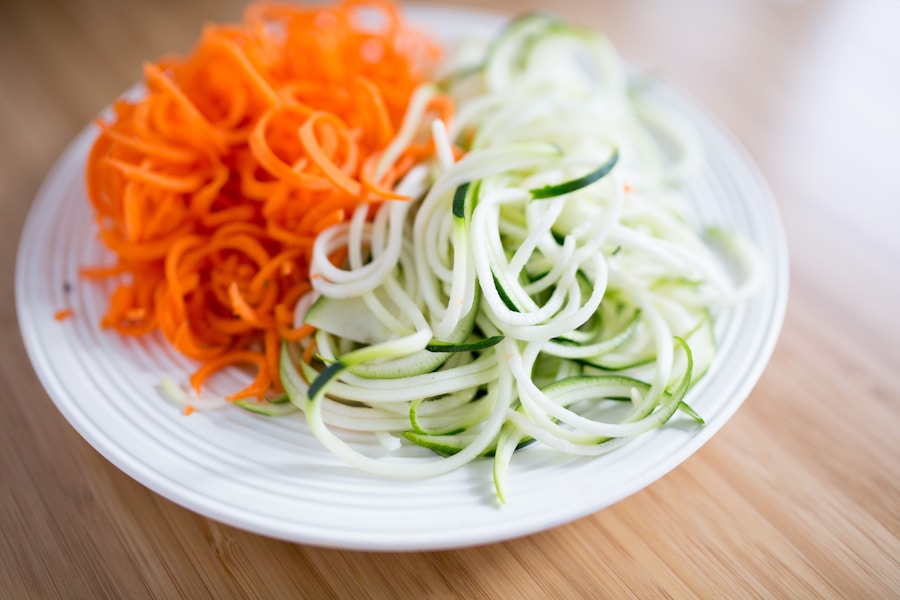
Ever wondered what’s actually worth putting on your plate to feel your best? You’re not alone. Getting the right nutrients can seem complicated, but the good news is that a balanced diet often comes down to a handful of power-packed foods.
What’s the Deal with Nutritious Foods?
Think of nutritious foods as your body’s building blocks and fuel. They’re the items that come packed with vitamins, minerals, fiber, and healthy fats, the kind of things your body needs to function smoothly. You know, the stuff that helps you think clearly, have energy throughout the day, keep your immune system strong, and just generally feel good. It’s not about crazy restrictive diets; it’s about choosing foods that give you the most bang for your buck, nutritionally speaking.
Why Bother with a Balanced Diet Anyway?
A balanced diet isn’t just a catchy phrase your doctor might throw around. It’s pretty important. When you eat a variety of nutritious foods, you’re giving your body all the tools it needs to repair itself, fight off illness, and perform at its best.
Skipping out on key nutrients over time can lead to all sorts of issues, from feeling tired all the time to making you more susceptible to chronic diseases down the line. It’s like trying to build a house with only half the materials – it’s not going to be as sturdy or last as long. A balanced approach means you’re not just surviving; you’re thriving, with more energy and better overall health.
Your Top 10 Nutritious Food Squad
Let’s cut to the chase. Here are ten foods that consistently deliver a hefty dose of good stuff, making them champions for a balanced diet.
1. Berries (Blueberries, Strawberries, Raspberries)
These little gems are bursting with flavor and antioxidants.
Antioxidant Powerhouses
Berries are loaded with anthocyanins, which give them their vibrant colors and are powerful antioxidants. These compounds help protect your cells from damage caused by free radicals, which are linked to aging and various diseases.
Vitamin C Boost
They’re also a great source of Vitamin C, crucial for immune function and skin health, and Manganese, important for bone health and metabolism.
2. Leafy Greens (Spinach, Kale, Swiss Chard)
Don’t let their humble appearance fool you; these greens are nutrition ninjas.
Vitamin and Mineral Rich
Spinach, for instance, is packed with Vitamins A, C, and K, along with folate, iron, and calcium. Kale offers similar benefits, often with even higher levels of certain nutrients. Swiss chard is also a fantastic source of magnesium and potassium.
Fiber Friends
The high fiber content in leafy greens aids digestion, helps you feel full longer, and can contribute to stable blood sugar levels.
3. Fatty Fish (Salmon, Mackerel, Sardines)
If you’re not a fan of fish, it might be worth reconsidering, especially these types.
Omega-3 Fatty Acids
These fish are the undisputed champions of Omega-3 fatty acids. These are essential fats your body can’t make on its own and are vital for brain health, reducing inflammation, and supporting heart function.
Protein Power
They also offer high-quality protein, essential for muscle repair and growth, and are good sources of Vitamin D.
4. Nuts and Seeds (Almonds, Walnuts, Chia Seeds, Flaxseeds)
These tiny powerhouses are surprisingly versatile and incredibly beneficial.
Healthy Fats and Protein
Almonds are great for Vitamin E and magnesium, while walnuts stand out for their Omega-3 content (ALA). Chia and flaxseeds are also rich in Omega-3s and fiber. They provide a good dose of plant-based protein and are satisfying to eat.
Fiber and Minerals
They are also excellent sources of fiber, which aids digestion, and various minerals like zinc, magnesium, and selenium.
5. Legumes (Beans, Lentils, Chickpeas)
These are the unsung heroes of plant-based nutrition.
Plant-Based Protein and Fiber
Legumes are a fantastic source of plant-based protein, making them a cornerstone for vegetarian and vegan diets. They are also incredibly high in fiber, which is key for digestive health and blood sugar control.
Nutrient Density
They provide iron, folate, potassium, and magnesium, all essential for various bodily functions.
6. Whole Grains (Oats, Quinoa, Brown Rice)
Switching from refined grains to whole grains is a simple but impactful change.
Complex Carbohydrates and Fiber
Whole grains are much more than just carbs. They offer sustained energy release due to their complex carbohydrate structure and are rich in fiber. This helps prevent energy crashes and keeps you feeling satisfied.
B Vitamins and Minerals
They are also good sources of B vitamins, iron, magnesium, and selenium, all contributing to energy production and overall health.
7. Avocados
Yes, they’re technically a fruit, and they’re a nutritional superstar.
Healthy Monounsaturated Fats
Avocados are loaded with monounsaturated fats, which are great for heart health and can help lower bad cholesterol levels. They also contribute to feeling full and satisfied.
Potassium and Fiber
They are also a surprisingly good source of potassium, often more than bananas, and contain a decent amount of fiber.
8. Eggs
A complete protein source that’s incredibly versatile.
High-Quality Protein
Eggs provide all nine essential amino acids, making them a complete protein. This is vital for building and repairing tissues.
Vitamins and Minerals
They are also rich in choline, important for brain health, Vitamin D, B vitamins, and selenium.
9. Yogurt (Plain, Greek)
Look for unsweetened varieties to get the most benefits.
Probiotics and Calcium
Plain yogurt, especially Greek yogurt, is a fantastic source of probiotics, which are beneficial gut bacteria that aid digestion and support the immune system. It’s also a good source of calcium for bone health.
Protein Power
Greek yogurt, in particular, is higher in protein, which helps with satiety and muscle maintenance.
10. Sweet Potatoes
Their vibrant color hints at their powerful nutrient profile.
Beta-Carotene and Vitamin A
Sweet potatoes are an excellent source of beta-carotene, which your body converts into Vitamin Vitamin A is crucial for vision, immune function, and skin health.
Fiber and Other Vitamins
They also provide a good amount of fiber, Vitamin C, and B6, contributing to overall well-being.
Weaving These Foods Into Your Meals
Okay, so you’ve got the list. Now, how do you actually get these into your everyday eating? It doesn’t have to be a culinary revolution. Thinking about small, consistent changes usually works best.
Breakfast Boosts
- Berries: Toss a handful into your morning oatmeal or yogurt. Blend them into smoothies.
- Whole Grains: Start your day with oatmeal or whole-grain toast.
- Eggs: A scrambled egg or two is a quick and protein-packed breakfast. Add some spinach for an extra kick.
- Yogurt: A bowl of plain yogurt topped with berries and a sprinkle of nuts or seeds is a classic.
Lunch and Dinner Wins
- Leafy Greens: Build your salads around spinach or kale. Add them to soups, stews, or sauté them as a side dish.
- Legumes: Add beans or lentils to chili, soups, or salads. Make hummus for a snack.
- Fatty Fish: Aim for a salmon or mackerel fillet a couple of times a week. It can be baked, grilled, or pan-fried.
- Whole Grains: Swap white rice for brown rice or quinoa. Use whole-grain pasta.
- Sweet Potatoes: Roast them as a side dish, mash them, or add them to stews.
- Avocados: Slice into salads, spread on toast, or add to sandwiches.
Snack Smart
- Nuts and Seeds: A small handful is perfect for a satisfying snack.
- Berries: Portable and refreshing on their own.
- Yogurt: A small pot can tide you over.
- Hard-boiled eggs: Easy to make ahead for a protein boost.
Little Tweaks, Big Impact
Don’t feel like you need to overhaul everything overnight. Start with one or two new additions. Maybe swap your usual afternoon snack for a handful of almonds, or try adding a serving of spinach to your omelet. Small, manageable changes are much more likely to stick.
Staying on Track with a Balanced Plate
Even with the best intentions, life happens. Here are a few thoughts on keeping your healthy eating journey smooth. For more information on healthy eating, visit Mayo Clinic.
Plan Ahead a Little
You don’t need elaborate meal plans, but knowing what you’ll generally eat can make a difference.
Think about your breakfasts, lunches, or dinners for a few days. Having some healthy options readily available makes avoiding less healthy choices much easier.
Keep it Simple
Focus on whole, unprocessed foods. The fewer ingredients a food has, generally the better it is for you.
Cooking at home more often gives you control over what goes into your meals.
Listen to Your Body
Pay attention to how different foods make you feel. Do you have more energy after eating a salad packed with greens? Do you feel sluggish after a highly processed meal?
Your body can be a good guide.
Hydration is Key
Don’t forget water! It’s essential for pretty much every bodily function and can sometimes be mistaken for hunger.
Don’t Aim for Perfection, Aim for Progress
Nobody eats perfectly all the time. If you have an off day, don’t beat yourself up.
Just get back to your healthy habits at the next meal. Consistency over time is what truly matters.
Bringing It All Together for Better Health
| Metrics | Data |
|---|---|
| Number of participants | 500 |
| Duration of program | 6 months |
| Improvement in overall health | 20% |
| Number of workshops conducted | 10 |
Ultimately, achieving optimal nutrition isn’t about following a rigid set of rules or chasing the latest diet fad. It’s about making informed choices, day in and day out, that nourish your body. By incorporating a variety of these nutrient-dense foods into your regular meals and snacks, you’re setting yourself up for more energy, better health, and a general feeling of well-being. It’s a practical approach to eating that fuels your life, not restricts it.
FAQs
1. What are the top 10 nutritious foods for a balanced diet?
The top 10 nutritious foods for a balanced diet include leafy greens, berries, nuts and seeds, fatty fish, whole grains, yogurt, cruciferous vegetables, lean protein, legumes, and colorful fruits and vegetables.
2. Why is a balanced diet important?
A balanced diet is important because it provides the necessary nutrients, vitamins, and minerals that the body needs to function properly. It also helps maintain a healthy weight, reduces the risk of chronic diseases, and supports overall well-being.
3. What are the nutritional benefits of each of the top 10 nutritious foods?
Leafy greens are rich in vitamins and minerals; berries are high in antioxidants; nuts and seeds provide healthy fats and protein; fatty fish is a great source of omega-3 fatty acids; whole grains offer fiber and essential nutrients; yogurt contains probiotics and calcium; cruciferous vegetables are packed with vitamins and fiber; lean protein supports muscle health; legumes are high in protein and fiber; and colorful fruits and vegetables provide a variety of vitamins and minerals.
4. How can these top 10 nutritious foods be incorporated into a diet?
These foods can be incorporated into a diet by including them in meals and snacks. For example, leafy greens can be added to salads or smoothies, berries can be enjoyed as a snack or added to yogurt, nuts and seeds can be sprinkled on oatmeal or salads, and fatty fish can be included in meals a few times a week.
5. What are some tips for maintaining a balanced diet?
Some tips for maintaining a balanced diet include planning meals ahead of time, incorporating a variety of foods, being mindful of portion sizes, staying hydrated, and limiting processed and sugary foods. Additionally, it’s important to listen to your body’s hunger and fullness cues and to seek guidance from a healthcare professional or registered dietitian if needed.