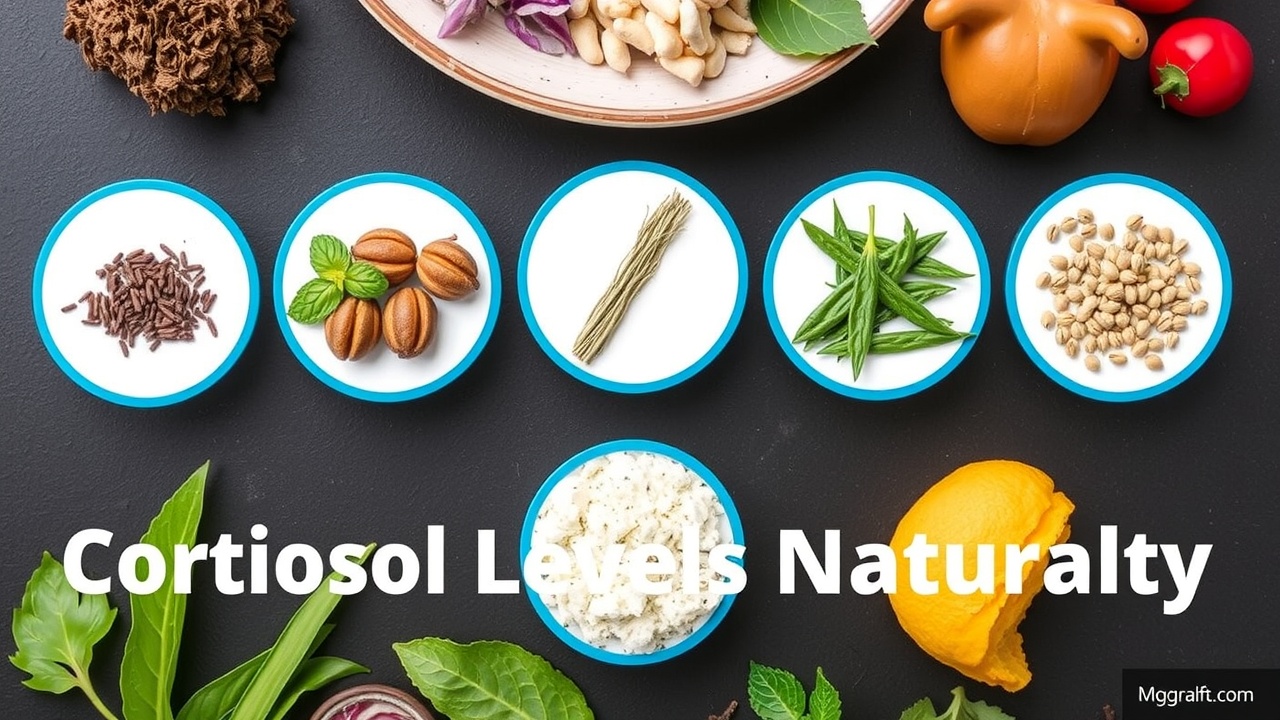
The modern world often bombards us with stressors, from demanding jobs and financial worries to social pressures and environmental concerns. This constant barrage can trigger an adaptive response within our bodies, primarily mediated by a hormone called cortisol. While cortisol plays vital roles in regulating metabolism, immune function, and stress response, chronically elevated levels can wreak havoc on our physical and mental well-being. Fortunately, a powerful ally in managing this modern-day challenge lies within our kitchens and gardens: the food and herbs we consume.
Understanding Cortisol and Its Effects on the Body
Cortisol, often dubbed the “stress hormone,” is produced by the adrenal glands. It’s a glucocorticoid that acts as a crucial signal for the body to mobilize resources during challenging situations, whether perceived or actual. When you encounter a threat, your brain signals the adrenal glands to release cortisol. This hormone then initiates a cascade of physiological changes: it increases blood sugar for immediate energy, suppresses non-essential bodily functions like digestion and reproduction, and heightens alertness. This is the body’s primitive “fight or flight” mechanism in action, designed for survival.
The Double-Edged Sword of Cortisol
In short bursts, this cortisol response is beneficial. It helps us to perform under pressure, react quickly to danger, and endure periods of hardship. However, the trouble arises when our bodies are under chronic stress, leading to persistently high cortisol levels. This sustained elevation can disrupt numerous bodily systems, leading to a wide array of health problems. For instance, prolonged high cortisol can suppress the immune system, making us more susceptible to infections. It can also disrupt sleep patterns, leading to fatigue and cognitive impairment. Furthermore, it can contribute to weight gain, particularly around the abdomen, increase blood pressure, and negatively impact mood, potentially leading to anxiety and depression. The intricate balance of our hormonal system is easily tipped by constant stress, and cortisol is often at the forefront of this imbalance.
The Interconnectedness of Stress and Physiology
It’s crucial to recognize that the effects of elevated cortisol extend beyond just feeling stressed. The hormonal cascade initiated by cortisol influences how our cells function, how we store fat, how we metabolize glucose, and even how we repair ourselves. When these processes are chronically influenced by high cortisol, the long-term consequences can be significant, impacting everything from cardiovascular health to mental clarity. Understanding this intricate connection is the first step towards actively managing our stress response through natural means.
The Role of Diet in Managing Cortisol Levels
Our dietary choices have a profound and often underestimated impact on our body’s hormonal balance, including cortisol regulation. What we eat directly influences the availability of nutrients essential for hormone production and function, as well as the body’s inflammatory response, which is closely intertwined with stress. A diet rich in processed foods, refined sugars, and unhealthy fats can exacerbate inflammation and trigger a greater stress response, leading to higher cortisol release. Conversely, a nutrient-dense diet can provide the building blocks and protective compounds necessary to buffer the effects of stress and support healthy cortisol levels.
Nutrient Synergy for Stress Resilience
Certain nutrients play a direct role in supporting the endocrine system and helping the body manage stress. For example, magnesium is vital for numerous enzymatic reactions, including those involved in stress hormone regulation. B vitamins are essential for energy production and neurotransmitter synthesis, which can be depleted during stressful periods. Omega-3 fatty acids possess anti-inflammatory properties that can help counteract the detrimental effects of chronic stress on the body. By strategically incorporating foods rich in these nutrients, we can bolster our body’s natural resilience to stress and promote a more balanced hormonal environment.
The Impact of Blood Sugar Stability
Another critical aspect of diet’s role in cortisol management is its influence on blood sugar levels. Rapid spikes and crashes in blood glucose can signal stress to the body, prompting cortisol release to stabilize blood sugar. Therefore, a diet that promotes stable blood sugar, characterized by whole, unprocessed foods and a good balance of protein, healthy fats, and complex carbohydrates, can significantly contribute to lowering cortisol. Avoiding large quantities of refined sugars and processed carbohydrates is paramount in this regard.
Gut Health and the Brain-Gut Axis
Emerging research highlights the significant connection between gut health and cortisol levels via the gut-brain axis. A healthy gut microbiome, fostered by a diet rich in fiber and fermented foods, can positively influence mood and stress response. Conversely, an imbalanced gut can contribute to inflammation and stress, potentially leading to elevated cortisol. Therefore, dietary choices that nourish the gut are indirectly contributing to better cortisol management.
Top 10 Foods to Incorporate into Your Diet for Lowering Cortisol
Nourishing your body with the right foods can be a powerful strategy to naturally lower elevated cortisol levels and build resilience to stress. These nutrient-dense options provide the essential vitamins, minerals, and antioxidants that support hormonal balance and combat inflammation.
One of the most beneficial foods is fatty fish, such as salmon, mackerel, and sardines. These are rich in omega-3 fatty acids, which have potent anti-inflammatory properties and can help regulate the stress response. They also provide vitamin D, which plays a role in mood regulation and immune function, both of which can be affected by chronic stress.
Berries, like blueberries, strawberries, and raspberries, are excellent sources of antioxidants, particularly anthocyanins, which can combat oxidative stress associated with elevated cortisol. Their natural sweetness can also satisfy cravings for sugar without causing the problematic blood sugar spikes.
Dark chocolate, in moderation, has been shown to reduce cortisol levels. This is attributed to its flavonoid content, which can improve mood and reduce stress hormones. Opt for varieties with a high cocoa content (70% or more) for the most benefit.
Leafy green vegetables, such as spinach, kale, and Swiss chard, are packed with magnesium, a mineral crucial for stress management and hormone regulation. They also provide a wealth of vitamins and minerals vital for overall health.
Avocados offer a unique combination of healthy monounsaturated fats, fiber, and potassium. The healthy fats help stabilize blood sugar, while potassium can help regulate blood pressure, which is often elevated during stress.
Yogurt and other fermented foods, like kefir and sauerkraut, are rich in probiotics. A healthy gut microbiome, supported by these foods, can positively influence the gut-brain axis and reduce stress signals to the body.
Nuts and seeds, particularly almonds, walnuts, and pumpkin seeds, are good sources of magnesium, zinc, and healthy fats. Zinc, in particular, plays a role in adrenal function and hormone production.
Turmeric, a vibrant spice, contains curcumin, a powerful anti-inflammatory and antioxidant compound that can help mitigate the damaging effects of cortisol.
Green tea is celebrated for its L-theanine content, an amino acid that promotes relaxation and can reduce the anxious feelings associated with stress, thereby indirectly lowering cortisol.
Finally, whole grains, such as oats, quinoa, and brown rice, provide complex carbohydrates that release glucose slowly into the bloodstream, promoting stable blood sugar levels and reducing the need for cortisol to intervene. Remember, consistency is key; integrating these foods regularly into your diet will yield the best results.
Harnessing the Power of Herbs to Reduce Cortisol Levels
| Herb | Effect on Cortisol Levels |
|---|---|
| Ashwagandha | Reduces cortisol levels |
| Rhodiola Rosea | Helps lower cortisol levels |
| Holy Basil | Shown to reduce cortisol levels |
| Chamomile | May help lower cortisol levels |
Beyond the realm of our daily meals, a diverse array of herbs offers remarkable therapeutic properties for naturally managing cortisol. These plant compounds have been utilized for centuries in traditional medicine for their adaptogenic and calming effects, directly targeting the body’s stress response system.
One of the most well-known adaptogenic herbs is Ashwagandha. This ancient herb has a long history of use in Ayurvedic medicine to combat stress and improve resilience. Studies suggest that Ashwagandha can effectively reduce cortisol levels and alleviate symptoms of stress and anxiety.
Rhodiola Rosea is another potent adaptogen, often referred to as “golden root.” It’s known for its ability to improve stamina, combat fatigue, and reduce the physiological effects of stress, including elevated cortisol.
Holy Basil, or Tulsi, is revered in India as a sacred plant, and for good reason. It possesses adaptogenic qualities that help the body cope with physical and emotional stress, contributing to lower cortisol levels and improved mental clarity.
Lemon Balm is a gentle herb that has been traditionally used to promote relaxation and reduce anxiety. Its soothing properties can help calm the nervous system, leading to a reduction in stress hormones.
Valerian Root is widely recognized for its sedative and calming effects, making it a popular choice for insomnia and anxiety. By promoting deeper sleep and reducing overall mental agitation, it can indirectly contribute to lower cortisol over time.
Chamomile is a household favorite for its gentle calming and anti-inflammatory properties. Sipping chamomile tea can help ease anxiety and promote a sense of tranquility, which can positively impact cortisol levels.
Siberian Ginseng is another adaptogenic herb that can enhance the body’s resistance to stress and improve physical and mental performance, helping to moderate the cortisol response.
Licorice Root, while needing to be used with caution due to potential side effects in some individuals, can help support adrenal function and may influence cortisol levels. However, it’s crucial to consult with a healthcare professional before regular use.
Passionflower is an herb traditionally used to alleviate anxiety and promote sleep. Its calming effects can help quiet the mind, offering respite from chronic stress and its hormonal fallout.
Finally, Ginkgo Biloba is often associated with cognitive function but also possesses properties that can help reduce stress and improve circulation, which can be beneficial for overall stress management and potentially influence cortisol regulation. Integrating these herbs, often in the form of teas, tinctures, or supplements, can be a powerful addition to a cortisol-lowering strategy, but it’s always wise to discuss their use with a qualified herbalist or healthcare provider.
Creating a Balanced Diet Plan to Combat Stress and Lower Cortisol
Developing a comprehensive dietary approach is paramount to effectively managing stress and lowering cortisol levels. It’s not simply about adding a few specific foods; it’s about creating a sustainable dietary pattern that nourishes your body and supports your endocrine system.
The Foundation: Whole, Unprocessed Foods
The cornerstone of such a plan is a commitment to consuming whole, unprocessed foods. This means prioritizing fruits, vegetables, lean proteins, healthy fats, and whole grains. These foods provide the essential nutrients, vitamins, minerals, and fiber that your body needs to function optimally and cope with stress. Minimizing or eliminating processed foods, refined sugars, and excessive saturated and trans fats is critical, as these can contribute to inflammation and disrupt hormonal balance.
Meal Timing and Frequency
The timing and frequency of your meals also play a significant role. Aim for regular meals and snacks throughout the day to maintain stable blood sugar levels. Skipping meals or going for extended periods without eating can trigger a stress response and lead to cortisol release. Incorporating protein and healthy fats at each meal helps to further stabilize blood sugar and promote satiety.
Hydration: An Often Overlooked Element
Adequate hydration is surprisingly important for cortisol management. Dehydration can put a strain on the body, signaling stress and potentially leading to increased cortisol production. Aim to drink plenty of water throughout the day, and consider herbal teas as a soothing and hydrating alternative.
Incorporating Gut-Friendly Foods
Given the significant role of the gut-brain axis, actively including gut-friendly foods is essential. This involves increasing your intake of fiber-rich foods like fruits, vegetables, and whole grains, as well as incorporating fermented foods such as yogurt, kefir, sauerkraut, and kimchi. These foods nourish beneficial gut bacteria, which can positively influence mood and stress response.
Mindful Eating Practices
Beyond what you eat, how you eat also matters. Practicing mindful eating – paying attention to your hunger and fullness cues, savoring your food, and eating in a relaxed environment – can reduce the stress associated with meal times and improve digestion. Rushing through meals or eating while stressed can hinder nutrient absorption and exacerbate the stress response.
Lifestyle Changes to Support Healthy Cortisol Levels
While diet and herbal remedies are powerful tools, they are most effective when integrated into a holistic lifestyle that actively supports healthy cortisol levels. Our daily habits and environment significantly influence our stress response and hormonal balance.
Prioritizing Sleep: The Great Restorer
Adequate and quality sleep is non-negotiable for cortisol regulation. During sleep, the body repairs itself and recalibrates hormonal rhythms. Chronic sleep deprivation is a major trigger for elevated cortisol. Establishing a consistent sleep schedule, creating a relaxing bedtime routine, and ensuring your bedroom is dark, quiet, and cool are crucial steps. Aim for 7-9 hours of quality sleep per night.
Regular Physical Activity: Finding Your Balance
Regular physical activity is a double-edged sword. While intense exercise can temporarily increase cortisol, moderate and consistent exercise can significantly reduce baseline cortisol levels and improve the body’s stress response over time. It also aids in weight management, improves mood, and promotes better sleep. The key is to find an enjoyable form of exercise and avoid overtraining, which can have the opposite effect.
Stress Management Techniques: Cultivating Calm
Actively incorporating stress management techniques into your daily routine is vital. This could include meditation, deep breathing exercises, yoga, spending time in nature, or engaging in hobbies that bring you joy. These practices help to activate the body’s relaxation response, counteracting the effects of chronic stress and lowering cortisol. Finding what works best for you and committing to practicing it regularly is key.
Nurturing Social Connections: The Power of Support
Strong social connections are a buffer against stress. Spending time with loved ones, confiding in friends, and feeling supported can significantly reduce feelings of isolation and stress, thereby influencing cortisol levels positively. Nurturing these relationships is an investment in your well-being.
Limiting Stimulants: Caffeine and Alcohol
While often used to cope with stress, excessive consumption of caffeine and alcohol can paradoxically exacerbate cortisol levels and disrupt sleep. Moderating intake or avoiding them altogether, especially in the hours leading up to bedtime, can have a significant positive impact on your stress response and hormonal balance.
Consultation with a Healthcare Professional for Managing Cortisol Naturally
While the information provided on natural approaches to lowering cortisol is valuable, it is essential to recognize that these strategies are complementary and should be undertaken with the guidance of a qualified healthcare professional. Self-diagnosing and self-treating can be risky, and a professional can offer personalized advice and ensure your approach is safe and effective.
Understanding Your Individual Needs
A healthcare professional can help you understand your unique physiological state. They can assess whether your cortisol levels are indeed elevated, investigate the underlying causes of your stress, and identify any potential underlying medical conditions that might be contributing to your symptoms. This personalized assessment is crucial before embarking on any significant dietary or lifestyle changes.
Safe and Effective Recommendations
When considering herbal supplements, a healthcare provider can offer guidance on appropriate dosages, potential interactions with medications you may be taking, and the quality of available products. They can also advise on the most suitable dietary approaches tailored to your specific health needs, preferences, and any existing medical conditions.
Monitoring Progress and Adjusting Strategies
Managing cortisol levels is often a journey, and progress may not always be linear. A healthcare professional can help you monitor your progress through appropriate testing and symptom tracking. They can then help you adjust your diet, lifestyle, or supplement regimen as needed, ensuring you are on the most effective path to achieving your health goals.
Holistic Health Integration
Ultimately, managing cortisol naturally is about adopting a holistic approach to health. A healthcare professional can help you integrate diet, lifestyle changes, and any necessary medical interventions into a comprehensive plan that addresses the root causes of stress and promotes overall well-being. They can ensure that your efforts to lower cortisol are sustainable and contribute to your long-term health and vitality. Engaging with a healthcare professional empowers you to navigate the complexities of cortisol management with confidence and assurance.