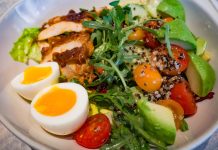
Thinking about a high protein diet to shed some pounds? You’re in the right place! The short answer is yes, a high protein diet can be a really effective way to lose weight, and this guide is here to walk you through how to do it, from understanding what a high protein diet actually is to making it work for you long-term. We’ll keep it practical and straightforward, cutting out all the jargon.
Understanding the High Protein Diet
So, what exactly is a “high protein diet”? It’s not about chugging protein shakes all day or eliminating entire food groups. At its core, it’s a dietary approach where a significant portion of your daily calories comes from protein-rich foods. The exact percentage can vary, but generally, it means prioritizing protein sources at every meal and snack. This isn’t a fad; it’s leveraging a fundamental nutrient that our bodies need for all sorts of things, including building and repairing tissues, and importantly, feeling full.
What Constitutes “High Protein”?
There isn’t one single, strict definition, but a common guideline is aiming for around 20-30% of your total daily calories from protein. For many people, this translates to consuming roughly 0.7 to 1 gram of protein per pound of their target body weight. For instance, if your goal weight is 150 pounds, you’d aim for somewhere between 105 and 150 grams of protein daily. It sounds like a lot, but when you break it down meal by meal, it’s quite manageable.
Why Protein Matters for Your Body
Protein is one of the three macronutrients (along with carbohydrates and fats) that provide energy. However, its role goes far beyond just fuel. It’s the building block for your muscles, skin, hair, and nails. It’s also crucial for producing enzymes and hormones that keep your body running smoothly. When you’re trying to lose weight, protein becomes an even more valuable player because of its unique properties.
Benefits of a High Protein Diet for Weight Loss
This is where it gets interesting for anyone looking to trim down. A high protein diet offers several distinct advantages that can make the weight loss journey smoother and more sustainable. It’s not a magic bullet, but it certainly helps tilt the odds in your favor.
Increased Satiety and Reduced Hunger
One of the biggest hurdles in weight loss is managing hunger. Protein is incredibly satiating. This means it helps you feel fuller for longer compared to fats or carbohydrates. When you eat protein, it slows down the rate at which your stomach empties, and it also influences the hormones that regulate appetite. This can significantly reduce cravings and the urge to snack between meals, making it easier to stick to your calorie goals without feeling deprived.
The Thermic Effect of Food (TEF)
Another key benefit is the thermic effect of food. This refers to the calories your body burns to digest, absorb, and metabolize the food you eat. Protein has a higher thermic effect than carbohydrates or fats. This means your body actually burns more calories processing protein. While it’s not a massive calorie difference, over time, it can contribute to a greater overall calorie deficit for weight loss.
Preserving Muscle Mass During Weight Loss
When you lose weight, it’s crucial to lose fat, not muscle. Muscle is metabolically active, meaning it burns calories even at rest. Losing muscle can slow down your metabolism, making it harder to lose weight and easier to regain it. A high protein diet helps preserve your lean muscle mass while you’re in a calorie deficit. This is because your body has enough protein available to maintain its muscle tissue, rather than breaking it down for energy.
How to Incorporate High Protein Foods into Your Diet
Switching to a higher protein intake doesn’t require a complete dietary overhaul overnight. You can gradually introduce more protein-rich foods throughout your day. The key is to choose whole, unprocessed sources whenever possible. This ensures you’re getting beneficial nutrients along with your protein.
Animal-Based Protein Sources
These are often considered complete proteins, meaning they contain all the essential amino acids your body needs.
- Lean Meats: Chicken breast, turkey breast, lean beef (like sirloin or flank steak), pork tenderloin. These are versatile and can be used in a multitude of dishes.
- Fish and Seafood: Salmon, tuna, mackerel, shrimp, cod, and other varieties are excellent choices. Many are also rich in healthy omega-3 fatty acids.
- Eggs: A fantastic and affordable protein source. You can have them scrambled, boiled, poached, or in omelets.
- Dairy: Greek yogurt (especially plain varieties), cottage cheese, milk, and cheese can be good protein contributors, though some contain higher fat content.
Plant-Based Protein Sources
Don’t overlook the power of plants! While some plant proteins might not be “complete” on their own, combining different sources throughout the day ensures you get all the essential amino acids.
- Legumes: Lentils, beans (black, kidney, pinto), chickpeas, and peas are packed with protein and fiber.
- Tofu and Tempeh: Soy-based options that are very adaptable and can absorb flavors well.
- Nuts and Seeds: Almonds, walnuts, chia seeds, flax seeds, pumpkin seeds, and sunflower seeds offer a good protein boost along with healthy fats and fiber. However, they are calorie-dense, so portion control is important.
- Quinoa: This grain is unique as it’s a complete plant-based protein.
- Edamame: Young soybeans that are a great snack or addition to meals.
Strategic Meal Planning
The easiest way to boost your protein intake is to consciously include a protein source at every meal and snack.
- Breakfast: Instead of just cereal, try scrambled eggs with spinach, Greek yogurt with berries and nuts, or a protein smoothie.
- Lunch: Add grilled chicken or fish to your salads, opt for lentil soup, or have a turkey and avocado wrap.
- Dinner: Focus on a lean protein like baked salmon or chicken breast as the centerpiece of your meal, with plenty of vegetables.
- Snacks: Keep hard-boiled eggs, a handful of almonds, Greek yogurt, or beef jerky on hand for when hunger strikes between meals.
Sample High Protein Meal Plan for Beginners
| Meal | Protein Source | Protein Content (g) |
|---|---|---|
| Breakfast | Scrambled eggs | 20g |
| Snack | Greek yogurt | 15g |
| Lunch | Grilled chicken breast | 25g |
| Snack | Protein shake | 30g |
| Dinner | Salmon fillet | 22g |
This is a sample to give you an idea. You’ll want to adapt it based on your preferences, dietary needs, and calorie goals. The servings are general; you’ll need to adjust based on your individual requirements.
Day 1
- Breakfast: 2 hard-boiled eggs, a small avocado, and a handful of spinach.
- Lunch: Large salad with grilled chicken breast (about 4-6 oz), mixed greens, cucumber, tomatoes, and a light vinaigrette.
- Snack: 1 cup of plain Greek yogurt with a few berries.
- Dinner: Baked salmon (about 4-6 oz) with roasted broccoli and a side of quinoa.
Day 2
- Breakfast: Scrambled eggs (2-3) with bell peppers and onions, served with a slice of whole-wheat toast.
- Lunch: Lentil soup (hearty portion) with a side of cottage cheese.
- Snack: A small handful of almonds and an apple.
- Dinner: Lean ground turkey stir-fry with mixed vegetables (like snap peas, carrots, and broccoli) and a light soy-ginger sauce, served with a small portion of brown rice.
Day 3
- Breakfast: Protein smoothie made with 1 scoop of whey or plant-based protein powder, unsweetened almond milk, spinach, and half a banana.
- Lunch: Tuna salad (made with Greek yogurt instead of mayo) served in lettuce cups with cucumber slices.
- Snack: A hard-boiled egg and some cherry tomatoes.
- Dinner: Grilled chicken breast (about 4-6 oz) with a large serving of steamed green beans and a small sweet potato.
Remember, this is just a template. Feel free to swap out proteins, vegetables, and carb sources to keep things interesting and align with your tastes. Hydration is also key, so drink plenty of water throughout the day.
Tips for Success on a High Protein Diet

Making any dietary change stick often comes down to practicality and finding strategies that fit into your life. Here are some tips to help you navigate a high protein diet smoothly.
Plan Ahead and Prep
This is arguably the most crucial tip for any diet, and particularly for a high protein one.
- Grocery Shopping: Make a list that focuses on your protein sources and the vegetables you’ll pair them with.
- Meal Prep: Dedicate some time, perhaps on a weekend, to cook larger batches of chicken, hard-boil eggs, chop vegetables, or make a big pot of lentil soup. Having ready-to-eat protein options readily available will prevent you from reaching for less healthy convenience foods when you’re rushed or hungry.
Stay Hydrated
Drinking enough water is essential for overall health, and it plays a role in weight management too. Sometimes thirst can be mistaken for hunger, so ensuring you’re well-hydrated can help manage your appetite. It also aids in digestion and helps your kidneys process the extra protein intake.
Don’t Fear Healthy Fats
While the focus is on protein, healthy fats are still vital for hormone production, nutrient absorption, and satiety. Incorporate sources like avocado, nuts, seeds, and olive oil in moderation. They contribute to feeling satisfied and add flavor to your meals.
Listen to Your Body
Pay attention to how you feel. Are you experiencing sustained energy? Are your hunger levels managed? Everyone’s body responds a little differently. If you’re feeling excessively tired or experiencing digestive issues, it might be worth re-evaluating your intake or consulting with a healthcare professional.
Potential Pitfalls and How to Avoid Them
Like any dietary approach, a high protein diet isn’t entirely free of potential challenges. Being aware of these ahead of time can help you navigate them successfully.
Over-Reliance on Processed Protein Sources
It’s easy to fall into the trap of relying solely on processed meats, protein bars, or shakes. While these can be convenient, they often come with added sugars, sodium, and less desirable ingredients.
- Solution: Prioritize whole, unprocessed protein sources. Use protein bars or shakes as occasional supplements, not as the foundation of your diet. Read labels carefully to understand what you’re consuming.
Neglecting Other Important Nutrients
Focusing too heavily on protein can sometimes lead to inadvertently cutting back on essential carbohydrates (like whole grains, fruits, and vegetables) and healthy fats. This can lead to nutrient deficiencies and a lack of fiber.
- Solution: Ensure you’re still eating a variety of colorful fruits and vegetables. Include some complex carbohydrates in moderation, especially around workouts, to fuel your body. Don’t eliminate entire food groups unless medically advised.
Digestive Issues
Some people experience digestive discomfort like bloating or constipation when significantly increasing their protein intake, especially if fiber intake is low.
- Solution: Increase your fiber intake by consuming more non-starchy vegetables, fruits, and whole grains. Drink plenty of water to aid digestion. Introduce changes gradually to allow your digestive system to adapt.
Kidney Concerns (Generally Misunderstood)
A common concern is that high protein diets are bad for your kidneys. For individuals with healthy kidneys, this is generally not the case. Healthy kidneys are very capable of filtering the byproducts of protein metabolism.
- Solution: If you have pre-existing kidney disease or a family history of kidney issues, it’s crucial to speak with your doctor or a registered dietitian before making significant changes to your protein intake. They can advise you based on your specific health status.
Monitoring Progress and Adjusting Your High Protein Diet
Weight loss isn’t a static journey. What works at the beginning might need tweaking as you progress. Regularly checking in with yourself and your results is key to long-term success.
Tracking More Than Just the Scale
While the number on the scale is one indicator, it’s not the only one.
- Body Composition: Consider how your clothes are fitting. Are they looser? This indicates you’re likely losing fat.
- Energy Levels: Are you feeling more energetic and less prone to energy crashes?
- Appetite and Cravings: Are you feeling more in control of your hunger and less likely to have intense cravings?
- Fitness Performance: If you’re exercising, are you noticing improvements in strength or endurance?
When to Make Adjustments
If you’ve hit a plateau and your weight loss has stalled for several weeks, it might be time to revisit your intake.
- Calorie Intake: While protein helps with satiety, your overall calorie intake still matters. You might need to slightly decrease your calorie consumption if your weight loss has stopped.
- Macronutrient Ratios: You might want to adjust the balance between protein, carbohydrates, and fats. For example, if you’ve been very low-carb, you might introduce a slightly larger portion of complex carbohydrates.
- Exercise Routine: Could your exercise routine use a refresh? Sometimes adding in new types of activity or increasing intensity can help.
Consulting Professionals
Don’t hesitate to seek professional guidance. A registered dietitian or nutritionist can provide personalized advice, create a tailored meal plan, and help you navigate any specific health concerns you might have. They can ensure your high protein diet is balanced and sustainable for your individual needs.