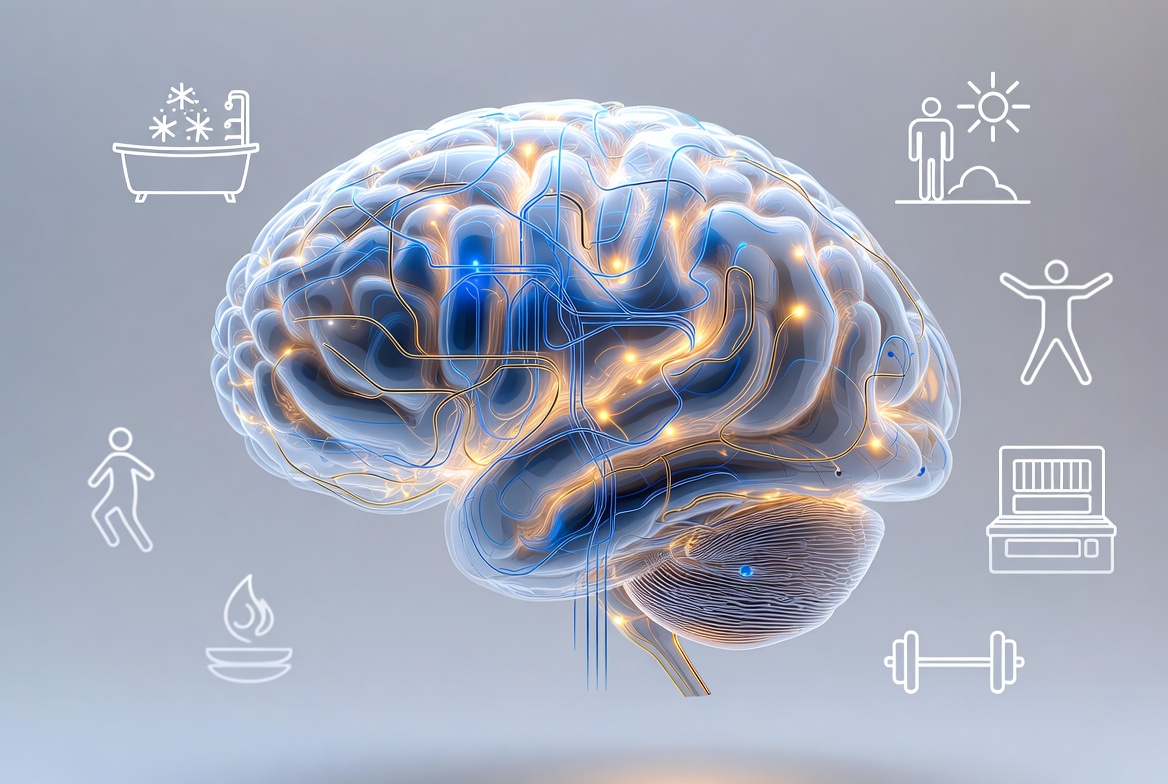
TL;DR: The Dopamine System Reset
- The Problem: Modern life (scrolling, sugar, spikes) “fries” your D2 receptors.
- The Result: You aren’t lazy; you are downregulated.
- The Solution: Use 15 biological and behavioral “levers” to rebuild your baseline.
Why Your Brain Feels “Flat” in 2026
In 2026, many high-achievers quietly struggle with persistent low motivation, procrastination, and emotional flatness. The culprit? A disrupted dopamine system — the brain’s primary pathway for motivation, reward anticipation, and goal-directed behavior.
Dopamine is produced mainly in the ventral tegmental area (VTA) and acts as a signal of “wanting” rather than pure pleasure. Chronic exposure to high-stimulation environments — social media, ultra-processed foods, and instant gratification — leads to receptor downregulation. This lowers your dopamine baseline, making everyday tasks feel effortful and unrewarding.
The encouraging news is that your brain remains highly plastic. Through consistent, evidence-based lifestyle practices, you can naturally upregulate dopamine signaling, restore receptor sensitivity, and rebuild a healthy baseline. Below are 15 proven strategies, grouped into physical, psychological, and behavioral categories.
I. Physical Strategies: Leveraging the Body to Influence Brain Chemistry
1. Moderate Aerobic Exercise (Zone 2 Training)
Steady-state cardio elevates brain-derived neurotrophic factor (BDNF), supporting the growth and resilience of dopamine-producing neurons. How to implement today: Engage in 30–45 minutes of brisk walking, cycling, or jogging at a conversational pace, 4–5 days per week.
2. Rhythmic Movement and Dance
Combining coordination, music, and emotional expression provides a rich, multi-sensory stimulus that promotes sustainable dopamine release. How to implement today: Dedicate 15–20 minutes daily to free-form dancing with music you enjoy.
3. Deliberate Cold Exposure
One of the most potent natural interventions: cold water immersion can increase circulating dopamine by approximately 250%, with elevations lasting several hours. Unlike stimulants, this creates a tonic (sustained) boost without a subsequent crash. How to implement today: Finish your shower with 1–3 minutes of cold water, gradually progressing in duration and intensity.
4. Morning Sunlight Exposure
Bright natural light viewed shortly after waking helps synchronize circadian rhythms, supporting healthy dopamine and cortisol patterns. How to implement today: Spend 10–30 minutes outdoors within the first hour of waking, allowing light to reach your eyes naturally.
5. Resistance Training
Heavy compound lifts enhance dopamine receptor density and sensitivity, improving your brain’s ability to register and pursue rewards. How to implement today: Incorporate progressive resistance training with movements like squats, deadlifts, and presses 3–4 times weekly.
6. Sauna Use (Heat Therapy)
Controlled heat stress activates heat shock proteins and triggers a compensatory dopamine rebound, contributing to improved mood regulation. How to implement today: Use a sauna 3–4 sessions per week for 15–20 minutes at 80–100°C, followed by gradual cooling.
II. Psychological Strategies: Training the Mind for Better Dopamine Regulation
7. Mindfulness Meditation
Regular practice increases gray matter in regions involved in emotional regulation and attention, fostering clearer dopamine signaling. How to implement today: Begin with 10–15 minutes of daily breath-focused or mindfulness meditation.
8. Cultivating Flow States Through Deep Work
Challenging, focused tasks that match your skill level trigger a powerful neurochemical cocktail, including dopamine. How to implement today: Block 90-minute distraction-free periods for meaningful work. Use timed techniques like Pomodoro to build the habit.
9. Hedonic Savoring
Intentionally extending positive experiences strengthens satisfaction circuits and counters the constant search for the “next hit.” How to implement today: After enjoyable moments, pause for 20–30 seconds to mentally note three specific pleasurable aspects.
10. Emphasizing Progress Over Perfection
Dopamine responds strongly to perceived progress toward goals, creating a reliable source of internal motivation. How to implement today: Break larger objectives into visible daily and weekly milestones and track them consistently.
III. Behavioral Strategies: Designing Your Environment for Long-Term Dopamine Health
11. Leveraging Micro-Wins and Tiny Habits
Small, consistent accomplishments generate repeated dopamine micro-releases that build momentum and overcome inertia. How to implement today: When facing resistance, reduce the task to its simplest first step (e.g., “open the document” instead of “write the report”).
12. Practicing Intentional Boredom
Reducing constant external stimulation allows dopamine receptors to resensitize, lowering the threshold for everyday satisfaction. How to implement today: Schedule 15–30 minutes daily of low-stimulation time — phone-free walking, sitting quietly, or simple reflection.
13. Introducing Healthy Novelty
New experiences generate prediction errors that naturally stimulate dopamine and enhance learning. How to implement today: Incorporate one novel activity, route, or skill weekly.
14. Digital Fasting and Screen Boundaries
Variable-reward platforms overstimulate the system. Strategic screen boundaries protect and restore your baseline. How to implement today: Establish screen-free windows (e.g., one hour after waking and before bed) and experiment with one low-stimulation day per week.
15. Prioritizing High-Quality Sleep
Sleep restores dopamine receptor sensitivity and clears metabolic waste through the glymphatic system. Chronic sleep disruption rapidly degrades motivation. How to implement today: Target 7.5–9 hours nightly in a cool, dark environment with consistent sleep and wake times.
Understanding Your Dopamine Baseline
Your dopamine baseline represents the steady-state level of motivation and pleasure available during neutral moments. When optimized, ordinary activities feel more rewarding, procrastination decreases, and sustained effort becomes more accessible. The strategies outlined above work synergistically to support this reset through neuroplasticity and improved receptor function.
Frequently Asked Questions
How quickly can I expect results from a dopamine reset? Many individuals notice subtle improvements in energy and focus within 48–72 hours of reducing high-stimulation triggers, with more significant changes accumulating over 2–4 weeks of consistent practice.
Are supplements necessary to optimize dopamine? While precursors like L-tyrosine (found in protein-rich foods) can support production, lifestyle interventions generally provide more sustainable benefits. Consult a healthcare professional before considering supplementation.
Is deliberate cold exposure safe for everyone? When introduced gradually, cold exposure is generally well-tolerated. However, individuals with cardiovascular concerns should seek medical advice prior to starting.
Conclusion: Your 360-Degree Reset
At StayHealthy360, we don’t just give you tips; we give you the science to master your own biology. Your dopamine baseline is the foundation of your success. Start with one physical hack and one behavioral boundary today to reclaim your drive.
Would you like me to generate the SEO keywords and Meta Description for this final version to ensure it ranks perfectly?