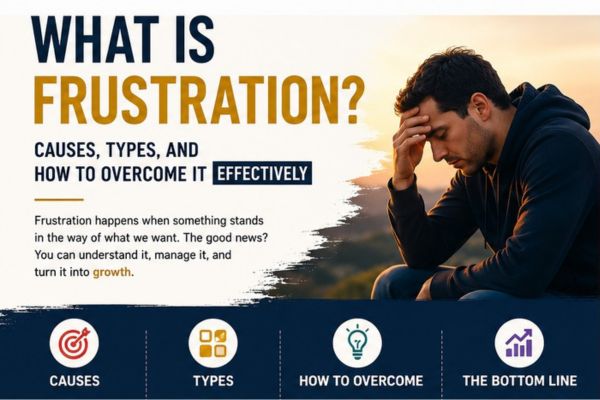
Frustration is that gnawing feeling you get when something stands between you and what you want to achieve. It’s a pretty universal human experience, a natural reaction to obstacles, setbacks, or unmet expectations. While it can be pretty uncomfortable, understanding what frustration is, where it comes from, and how to deal with it can make a big difference in your mental well-being. It’s not just about feeling annoyed; persistent frustration can actually take a toll on your mental and even physical health, leading to stress, anxiety, and even impacting your relationships.
Understanding Frustration: Definition and Impact on Mental Health
At its core, frustration is an emotional response to opposition. Think of it as your brain flagging a problem: “Hey, this isn’t going as planned!” It can range from a mild annoyance to intense anger or despair, depending on the situation and your personality. This emotional state is often accompanied by feelings of helplessness, irritation, or even anger. It’s a powerful motivator, sometimes pushing us to try harder or find new solutions, but it can also be incredibly draining and demotivating if left unmanaged.
When we constantly face frustrating situations without healthy coping mechanisms, it can start to chip away at our mental health. Chronic frustration is a breeding ground for stress hormones, contributing to anxiety and potentially even depression. It can make everyday tasks feel overwhelming and reduce our overall sense of control and happiness.
The Psychological Mechanics of Frustration
Frustration isn’t just a surface-level emotion. It’s tied into our expectations, our sense of agency, and our perception of control. When we expect a certain outcome and get a different one, our brains register a discrepancy, leading to frustration. If we feel we have little power to change the situation, this feeling intensifies, sometimes leading to feelings of powerlessness. This constant battling against perceived external forces can be very taxing. Our brains are constantly trying to predict and control our environment; when these predictions are wrong, especially repeatedly, frustration is a natural consequence.
Frustration’s Effect on Well-being
Beyond the immediate emotional discomfort, sustained frustration can have a real impact on our overall well-being. It can disturb our sleep, make us irritable towards others, and even affect our physical health through increased blood pressure or digestive issues. This isn’t just about feeling a bit grumpy. It’s about a persistent internal state that influences our perception of life and our ability to cope with its challenges. It can make us less resilient in the face of future difficulties and more prone to burnout.
Common Causes of Frustration in Daily Life
Frustration isn’t some rare, exotic emotion experienced only in extreme circumstances. It’s a regular part of everyday life, popping up in countless forms. Recognizing these common triggers can be the first step in managing them.
Roadblocks and Obstacles
Perhaps the most straightforward cause of frustration is simply encountering roadblocks. You have a goal, and something is preventing you from reaching it. This could be anything from a technical glitch on your computer when you’re on a deadline, to getting stuck in traffic when you’re already late, or even a store being out of the specific item you need. These are external factors that impede your progress. It feels like the world is actively working against you, even when it’s just random chance.
Unmet Expectations
We all carry expectations, whether conscious or unconscious, about how things should go. When reality deviates sharply from these expectations, frustration often follows. This could be expecting a quick promotion that doesn’t materialize, or anticipating a certain reaction from a friend that you don’t get, or even assuming a task will be easy only to find it incredibly difficult. It’s the gap between what you envisioned and what actually happened that fuels this type of frustration. Our minds create a narrative, and when that narrative is broken, it causes a disruption.
Lack of Control
Feeling a lack of control over a situation is a huge source of frustration for many. This often happens when you’re dependent on others, waiting for information, or dealing with bureaucratic processes. Not being able to influence an outcome, especially when that outcome directly affects you, can be incredibly disempowering and frustrating. It’s that feeling of being at the mercy of external forces, unable to steer your own ship.
Exploring Different Types of Frustration and Their Effects
While the core experience of frustration is similar, it can manifest in different ways, each with its own set of challenges and implications. Understanding these subtle differences can help us tailor our coping strategies.
Personal Frustration
This type of frustration stems from internal factors. It’s often related to your own perceived shortcomings, limitations, or mistakes. Perhaps you’re frustrated with yourself for not learning a new skill faster, for making a silly error, or for not achieving a personal goal. This can be particularly tough because it hits at our self-esteem and can lead to self-criticism. It’s that internal voice telling you you’re not good enough or that you “should have known better.”
Environmental Frustration
Environmental frustration comes from external circumstances beyond your direct control. This includes things like bad weather ruining plans, unexpected traffic jams, or an unreliable internet connection. These aren’t personal failures; they are external forces that disrupt your plans or create inconvenience. While you can’t change the weather, you can choose how you react to its impact on your day. It’s important to distinguish these from personal failures to avoid unnecessary self-blame.
Cognitive Frustration
This type of frustration arises when we are mentally blocked or struggling to understand something. Think about trying to solve a complex problem, learning a new concept, or trying to operate confusing software. The “aha!” moment is elusive, and the inability to grasp or process information leads to a build-up of mental tension. It’s often experienced when we’re pushing our cognitive limits and feeling stuck.
Social Frustration
Social frustration comes from our interactions with other people. This could be miscommunication, feeling unheard, dealing with difficult personalities, or experiencing unfairness in a group setting. Because relationships are so central to our lives, social frustration can be particularly impactful, potentially damaging connections and creating interpersonal stress. It’s when our expectations of how others should behave or communicate are not met.
Strategies for Overcoming Frustration in Personal and Professional Settings
| Strategy | Description |
|---|---|
| Practice Mindfulness | Engage in activities that promote present-moment awareness and reduce stress. |
| Seek Support | Reach out to friends, family, or colleagues for advice and encouragement. |
| Set Realistic Goals | Break down larger tasks into smaller, achievable goals to avoid feeling overwhelmed. |
| Develop Problem-Solving Skills | Learn to identify and address the root causes of frustration in a systematic way. |
| Take Breaks | Step away from the source of frustration to clear your mind and regain perspective. |
Dealing with frustration effectively isn’t about eliminating it entirely – that’s often impossible – but about developing healthy strategies to manage it. These approaches can be applied in various contexts, helping you regain your footing.
Acknowledge and Validate Your Feelings
The first step is always to realize you’re feeling frustrated and to allow yourself to feel it. Don’t try to dismiss or suppress it immediately. Tell yourself, “Okay, I’m feeling frustrated right now, and that’s a normal response to this situation.” This simple act of acknowledgment can prevent the feeling from escalating into something more intense like anger or despair. It’s about being honest with yourself.
Take a Step Back and Reframe
When frustration hits, our perspective can narrow. Stepping away, even for a few minutes, can offer the space needed to reframe the situation. Ask yourself: Is this really as big a deal as it feels right now? What’s the worst-case scenario? Is there another way to look at this? Sometimes, just a change of scenery or a brief mental break can provide clarity and reduce the emotional intensity. You might realize the perceived obstacle is actually an opportunity.
Break Down the Problem
If the frustration stems from a large, overwhelming task or problem, try breaking it down into smaller, more manageable steps. Achieving these smaller milestones can help build momentum and reduce the feeling of being stuck. This approach makes the overall challenge seem less daunting and gives you a clear path forward, even if it’s just the next tiny step.
Focus on What You Can Control
A significant source of frustration is often focusing on things completely out of your hands. Shift your attention to the aspects of the situation you do have control over. Can you change your approach? Can you seek assistance? Can you adjust your expectations? This shift in mindset from helplessness to agency can be incredibly empowering and productive. It’s about taking action where action is possible.
Practice Self-Compassion
When personal frustration kicks in, or when things go wrong and you feel it’s your fault, be kind to yourself. You’re human, and mistakes happen. Treat yourself with the same understanding and patience you would offer a friend. Self-compassion helps prevent frustration from turning into debilitating self-criticism.
Seeking Support: How to Manage Frustration in Relationships and Communication

Frustration can be a real troublemaker in relationships. It’s easy for it to spill over and create conflict if not handled carefully. Learning to manage it within your interactions with others is crucial for healthy connections.
Clear and Calm Communication
When you feel frustrated with someone or about a shared situation, the impulse might be to lash out or withdraw. Neither is productive. Instead, try to communicate your frustration calmly and clearly, focusing on the specific behavior or situation rather than attacking the person. Use “I” statements (“I feel frustrated when…”) rather than “you” statements (“You always…”). This encourages understanding rather than defensiveness.
Active Listening and Empathy
Sometimes, the frustration in a relationship is two-sided. Practice active listening, really hearing what the other person is saying without immediately formulating your rebuttal. Try to understand their perspective. Even if you don’t agree, acknowledging their feelings can go a long way in de-escalating tension and finding common ground. Empathy helps bridge the gap created by differing viewpoints.
Set Boundaries and Expectations
Many relational frustrations stem from unclear boundaries or unmet expectations. Have direct conversations about what you need, what you expect, and what your limits are. This might be about dividing chores, communicating availability, or discussing how disagreements will be handled. Clear boundaries reduce misunderstandings and resentments that can feed frustration.
Coping with Frustration: Tips for Maintaining Emotional Resilience
Building resilience means developing the capacity to recover quickly from difficulties. When it comes to frustration, this involves having a toolkit of healthy coping mechanisms.
Engage in Physical Activity
Physical exertion can be a fantastic outlet for pent-up frustration. Whether it’s a brisk walk, a run, yoga, or lifting weights, exercise releases endorphins that can improve your mood and reduce stress. It provides a physical way to work through emotional energy.
Practice Mindfulness and Deep Breathing
When you feel frustration rising, take a few moments to focus on your breath. Deep, slow breathing can calm your nervous system. Mindfulness practices, like paying attention to your senses and the present moment, help prevent your mind from spiraling into further frustration about past events or future worries.
Creative Expression
Finding an outlet for self-expression, like writing, painting, playing music, or even journaling, can be a therapeutic way to process frustrated feelings. It allows you to channel that intense energy into something productive and provide a different perspective.
Seek Distraction (Temporarily)
Sometimes, the best thing to do is to temporarily step away and engage in a distracting activity that brings you joy or calm. This isn’t about avoiding the problem forever, but giving yourself a mental break before returning to it with a fresh mind. Watch a movie, read a book, listen to music, or do a hobby.
Seeking Professional Help: When to Consider Therapy for Chronic Frustration
While everyone experiences frustration, there comes a point where it might be impacting your life in a way that warrants professional attention. Recognizing these signs is key to getting the support you need.
Persistent, Overwhelming Feelings
If your feelings of frustration are constant, overwhelming, and seem to linger for extended periods, even after the initial trigger has passed, it might be time to talk to someone. This kind of chronic frustration can be mentally exhausting and signals that your usual coping mechanisms might not be enough.
Impact on Daily Functioning
When frustration starts to interfere with your ability to perform daily tasks, maintain relationships, or succeed at work or school, it’s a red flag. This could manifest as difficulty concentrating, irritability that strains friendships, or a general sense of apathy towards responsibilities.
Physical Symptoms Accompanying Frustration
Chronic frustration can manifest physically through symptoms like persistent headaches, digestive issues, chronic fatigue, or sleep disturbances. If you’re experiencing these alongside your frustration, it’s a good idea to consult a doctor or therapist to explore the connection.
Unhealthy Coping Mechanisms
If you find yourself resorting to unhealthy coping mechanisms – like excessive alcohol consumption, drug use, overeating, social withdrawal, or angry outbursts – to deal with frustration, professional help can provide healthier alternatives and address the underlying issues. A therapist can help you identify these patterns and develop more constructive ways to manage your emotions. They can also explore if your frustration is a symptom of a deeper issue like anxiety or depression.