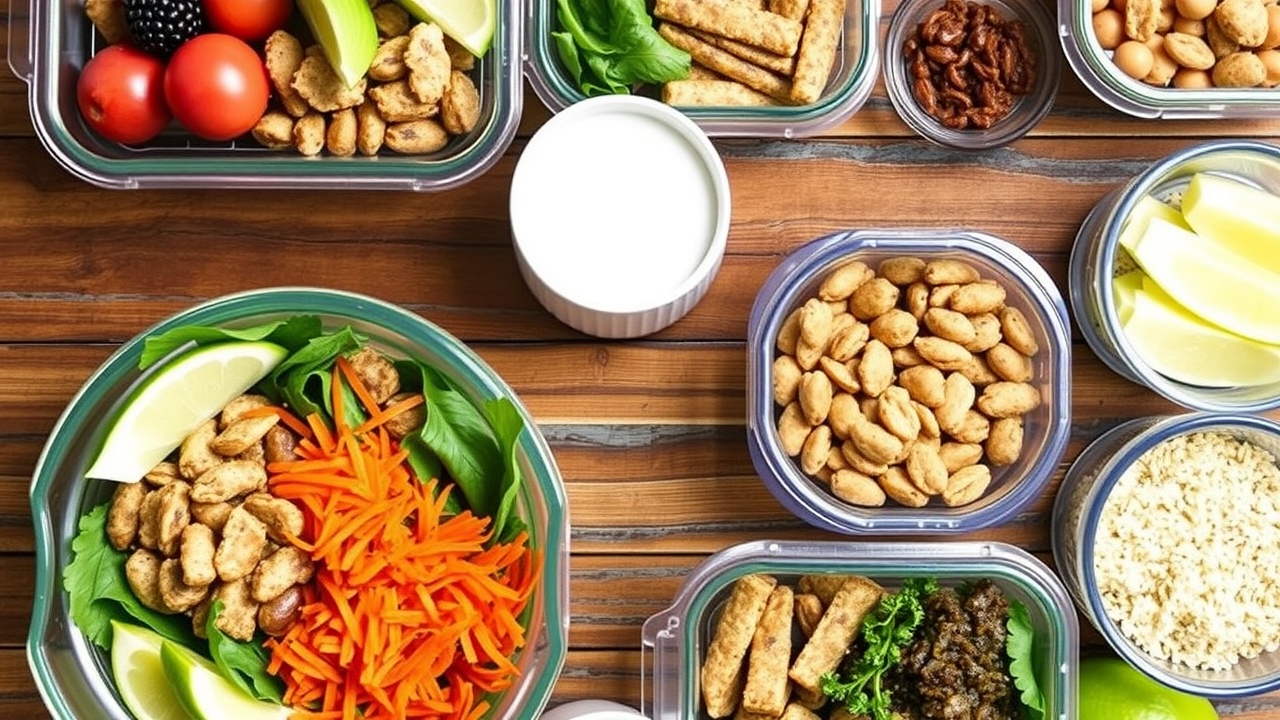
You’re looking to boost your fiber intake, and you’re busy – that’s a common combo. The good news is, you absolutely can make high-fiber eating work for your packed schedule through smart meal prepping. It’s not about spending all weekend in the kitchen; it’s about efficient planning and making choices that give you the most nutritional bang for your buck, especially when it comes to fiber.
Understanding the Importance of Fiber in Your Diet
Fiber often gets overlooked, but it’s a superstar nutrient for a reason. Think of it as a crucial component of your gut’s well-being and overall health. We’re not just talking about keeping things “regular” here, though that’s certainly a major benefit.
Why Fiber Matters for Your Health
Fiber plays a significant role in several bodily functions beyond just digestion. It helps regulate blood sugar levels, preventing those sharp spikes and crashes that can leave you feeling drained. It also contributes to a feeling of fullness, which can be super helpful if you’re trying to manage your weight without feeling deprived. Furthermore, certain types of fiber act as a prebiotic, meaning they feed the beneficial bacteria in your gut, leading to a healthier microbiome. A healthy gut is linked to everything from improved immunity to potentially better mood. It’s a key player in heart health too, as soluble fiber can help lower cholesterol levels.
Different Types of Fiber and Their Roles
It’s not a one-size-fits-all situation with fiber. There are generally two main types: soluble and insoluble. Soluble fiber, found in oats, beans, apples, and citrus fruits, dissolves in water to form a gel-like substance. This helps slow down digestion, contributing to that feeling of fullness and aiding in blood sugar control. Insoluble fiber, on the lines of whole wheat, brown rice, nuts, and many vegetables, doesn’t dissolve in water. It adds bulk to your stool, which is essential for maintaining regular bowel movements and preventing constipation. Both are important and work together to keep your digestive system humming. Most plant-based foods contain a mix of both, so aiming for a variety of colorful fruits, vegetables, whole grains, and legumes will naturally ensure you’re getting a good balance.
How to Incorporate High-Fiber Foods into Your Meal Prep
Making fiber a priority in your meal prep doesn’t have to be complicated. It’s often about making simple ingredient swaps or additions.
Smart Ingredient Swaps for Fiber Power
One of the easiest ways to boost fiber is by opting for whole grains over refined ones. Think brown rice instead of white rice, whole wheat pasta instead of regular, and whole grain bread. Don’t stop there. Legumes like lentils, chickpeas, and black beans are fiber powerhouses and incredibly versatile. They can be added to soups, salads, stews, or even mashed into veggie burgers. Nuts and seeds are also excellent sources; a sprinkle of chia seeds or flax seeds in your oatmeal or smoothie, or a handful of almonds as a snack, can quickly add a good amount of fiber. For vegetables, try to “eat the rainbow.” Broccoli, Brussels sprouts, spinach, and sweet potatoes are all fantastic fiber sources. When it comes to fruits, choose ones with edible skins like apples, pears, and berries, and consider leaving the skin on where appropriate.
Building Fiber-Rich Components for Easy Assembly
Instead of prepping entire meals, sometimes it’s more practical to prep individual fiber-rich components. Cook a large batch of quinoa or brown rice at the beginning of the week. Roast a pan of mixed vegetables – broccoli, bell peppers, carrots – that can be added to various dishes. Cook a big pot of lentils or black beans; they’re incredibly versatile. Prepare a batch of overnight oats with chia seeds and fruit for quick breakfasts. These ready-to-go components make assembling high-fiber meals throughout the week a breeze, even when you’re short on time. It’s like having your own healthy, customizable buffet ready in the fridge.
Sample High-Fiber Meal Prep Recipes for Busy Beginners
Let’s get down to some practical, tasty ideas that won’t have you slaving away in the kitchen for hours.
Breakfast Ideas with a Fiber Boost
Overnight oats are a game-changer. Combine rolled oats, milk (dairy or non-dairy), chia seeds, and a handful of berries in a jar the night before. By morning, you have a creamy, fiber-packed breakfast ready to go. Another simple option is a whole-wheat toast with avocado and everything bagel seasoning, perhaps with a sprinkle of hemp seeds for extra fiber and protein. For something a bit more substantial, consider breakfast burritos. Scramble eggs with black beans, spinach, and salsa, then wrap them in a whole-wheat tortilla. These can be made in a batch, wrapped individually, and frozen. Just pop one in the microwave on busy mornings.
Lunch and Dinner Prep for the Week
For lunches, a hearty lentil salad is fantastic. Cook lentils, let them cool, then mix with chopped cucumber, cherry tomatoes, bell peppers, fresh parsley, and a lemon-tahini dressing. This holds up well in the fridge for several days. Another great option is a “bowl” concept. Start with a base of pre-cooked quinoa or brown rice, add roasted sweet potatoes and broccoli, and top with pre-cooked chicken breast or chickpeas. A drizzle of a simple vinaigrette ties it all together. For dinners, a big batch of vegetarian chili loaded with beans, tomatoes, and various vegetables can be portioned out and enjoyed throughout the week, or even frozen for later. Another idea is baked salmon with a side of pre-steamed green beans and a scoop of wild rice. These meals are satisfying, full of fiber, and minimize daily cooking.
Tips for Successful High-Fiber Meal Planning and Prep
Getting into a routine takes a little thought, but these tips will make it much smoother.
Planning Your Weekly Fiber Intake
Before you even hit the grocery store, take a moment to plan. Think about the meals you want to eat and how you can naturally weave in fiber-rich ingredients. Don’t aim for perfection right away. Start by adding one or two more high-fiber foods to your plate each day. Consider a weekly theme: “Meatless Monday” often means more legumes and vegetables by default. Look at your typical schedule and identify when you’re likely to be busiest. Those are the times when having prepped components or full meals will be most beneficial. Jot down your meal ideas and then create a shopping list based on those. This prevents impulse buys and ensures you have all the ingredients you need.
Efficient Fiber Meal Prep Strategies
Batch cooking is your best friend when it comes to high-fiber meal prep. Dedicate an hour or two on a less busy day, like Sunday, to cook grains, roast vegetables, and perhaps prepare a protein source. Invest in good quality, airtight containers for storage – this is key for food freshness and safety. Don’t be afraid of using shortcuts when necessary. Pre-chopped vegetables, canned beans (rinse them well!), and frozen fruits and vegetables are perfectly acceptable and can save you a lot of time. Also, remember to factor in water. When you increase your fiber intake, it’s crucial to also increase your water intake to help the fiber do its job efficiently and prevent discomfort.
The Benefits of a High-Fiber Meal Prep Plan for Busy Lifestyles
Beyond just providing fiber, this approach has a ripple effect on other aspects of your busy life.
Time and Cost Savings
When you meal prep, you significantly cut down on the amount of time you spend in the kitchen each day. No more wondering what to make for dinner each night or scrambling to find something healthy for lunch. This translates to more free time for other activities or simply relaxing. Financially, meal prepping almost always works out cheaper than eating out, ordering takeout, or even buying individually packaged convenience foods. Buying ingredients in bulk for your prep sessions can lead to considerable savings over time. You’re also less likely to waste food when you have a plan for everything you buy.
Improved Health Outcomes and Energy Levels
Consistently incorporating high-fiber foods into your diet through meal prep will undoubtedly have a positive impact on your health. Stable blood sugar levels mean more sustained energy throughout the day, without those mid-afternoon slumps. A healthy gut contributes to better digestion and overall well-being. The feeling of satiety from fiber-rich meals can help with weight management without restrictive dieting. All of these factors combined lead to feeling more energetic, focused, and generally healthier, which is invaluable when you have a busy lifestyle. You’re less likely to fall into the trap of unhealthy convenience foods when you have delicious, nutritious options readily available.
Overcoming Common Challenges in Maintaining a High-Fiber Diet
It’s natural to hit a few bumps in the road, but most challenges have straightforward solutions.
Dealing with Digestive Discomfort
When you first start increasing fiber, some digestive discomfort like bloating or gas can occur. This is usually temporary as your gut adjusts. The key here is to increase fiber gradually. Don’t go from very low fiber to very high fiber overnight. Introduce new fiber-rich foods slowly over several days or weeks. Crucially, drink plenty of water! Fiber needs water to move through your system effectively. Without enough water, it can actually lead to constipation. Listening to your body is important; if a specific food consistently causes discomfort, try another fiber source.
Staying Motivated and Creative
It’s easy to get bored with the same meals. To combat this, embrace variety. Try new recipes or put a different spin on existing ones. Experiment with different spices and herbs to change the flavor profile of staple dishes. For example, your basic lentil salad can become Mediterranean with feta and olives, or Indian-inspired with curry powder and cilantro. Explore different cuisines that naturally feature high-fiber ingredients like Mexican (beans, corn), Indian (lentils, chickpeas), or Mediterranean (whole grains, vegetables). Involve family or friends in the cooking process for a social aspect. If you find yourself consistently bored, it might be time to revisit your meal plan and inject some new ingredients or recipes.
Long-Term Strategies for Sustaining a High-Fiber Meal Prep Routine
Making this a permanent part of your lifestyle requires a bit of forward-thinking and adaptability.
Gradual Expansion and Exploration
Once you’ve got the basics down, don’t be afraid to gradually expand your repertoire. Explore less common fiber sources like farro, barley, or different varieties of ancient grains. Try incorporating more vegetables that might be new to you. This keeps things interesting and ensures you’re getting a wider array of nutrients. Don’t feel pressured to have every single meal perfectly prepped. Sometimes, a simple bowl of oatmeal or a quick salad can be just as good as a fully prepped meal. Building a mental library of quick, high-fiber fixes is just as valuable as perfected recipes.
Adaptability and Consistency Over Perfection
Life happens. There will be weeks when you can’t prep as much as you’d like, or you’ll have unexpected events that throw off your routine. That’s perfectly fine. The goal isn’t perfection; it’s consistency. If you miss a prep session, just pick it up again the next week. If you have to eat out, make the best high-fiber choices available. Look for whole grains, add extra vegetables, or choose options with legumes. Don’t let one off-track day or week derail your entire effort. Getting back on track is what matters, and remembering that every little bit of fiber adds up to significant health benefits in the long run. Building sustainable habits is about being flexible and forgiving yourself when things don’t go exactly to plan.